Clive | Remnant
Clive van den Berg
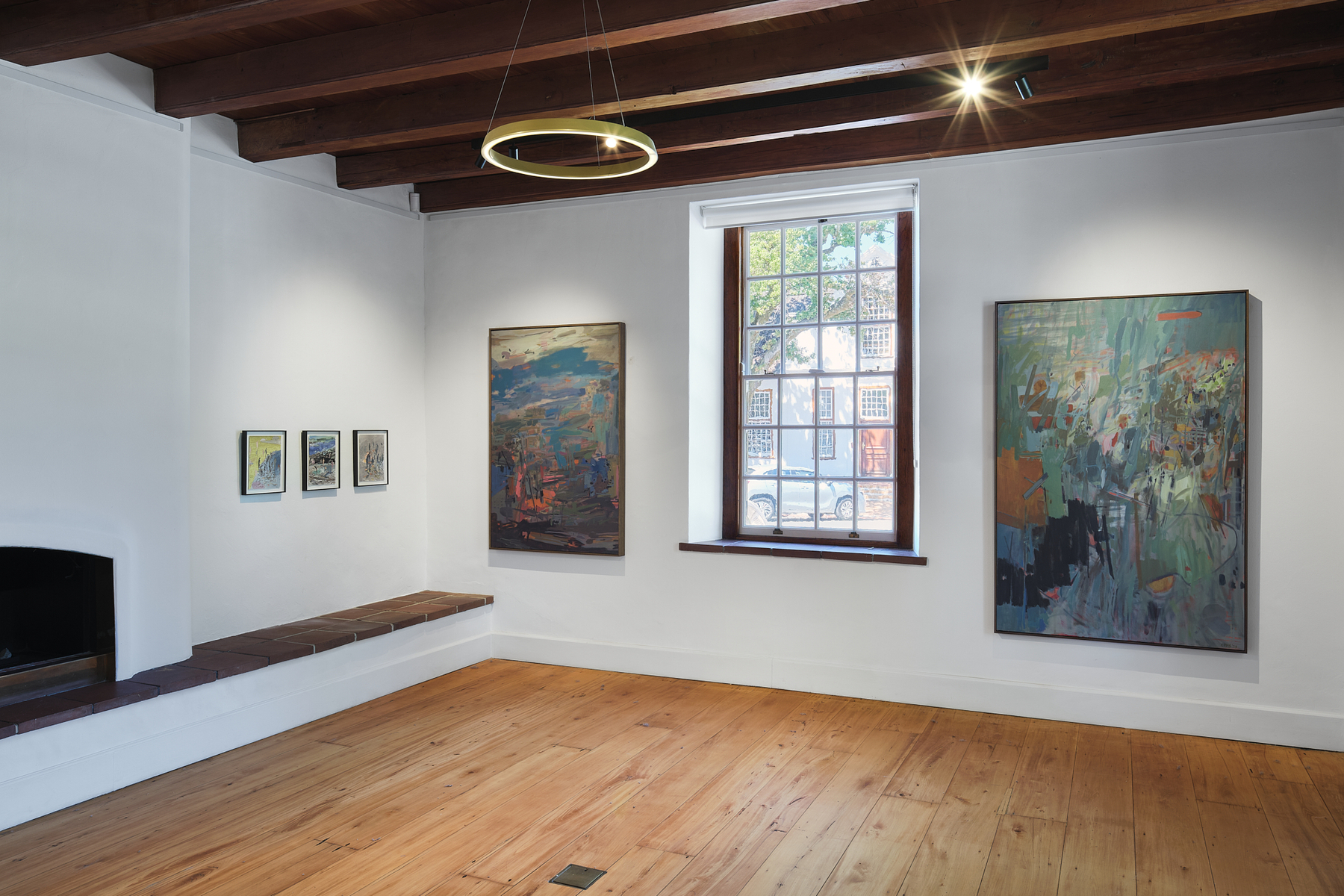
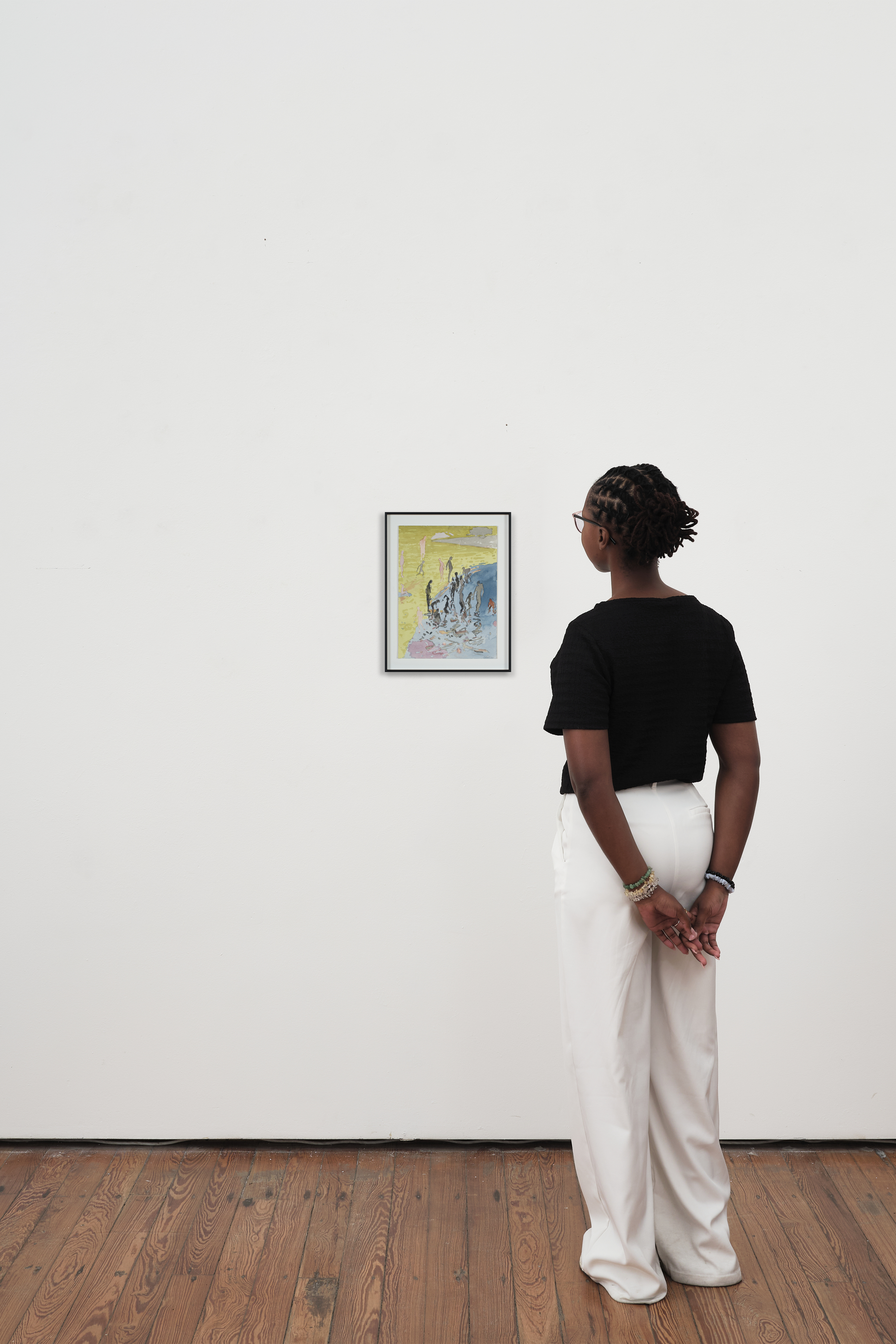
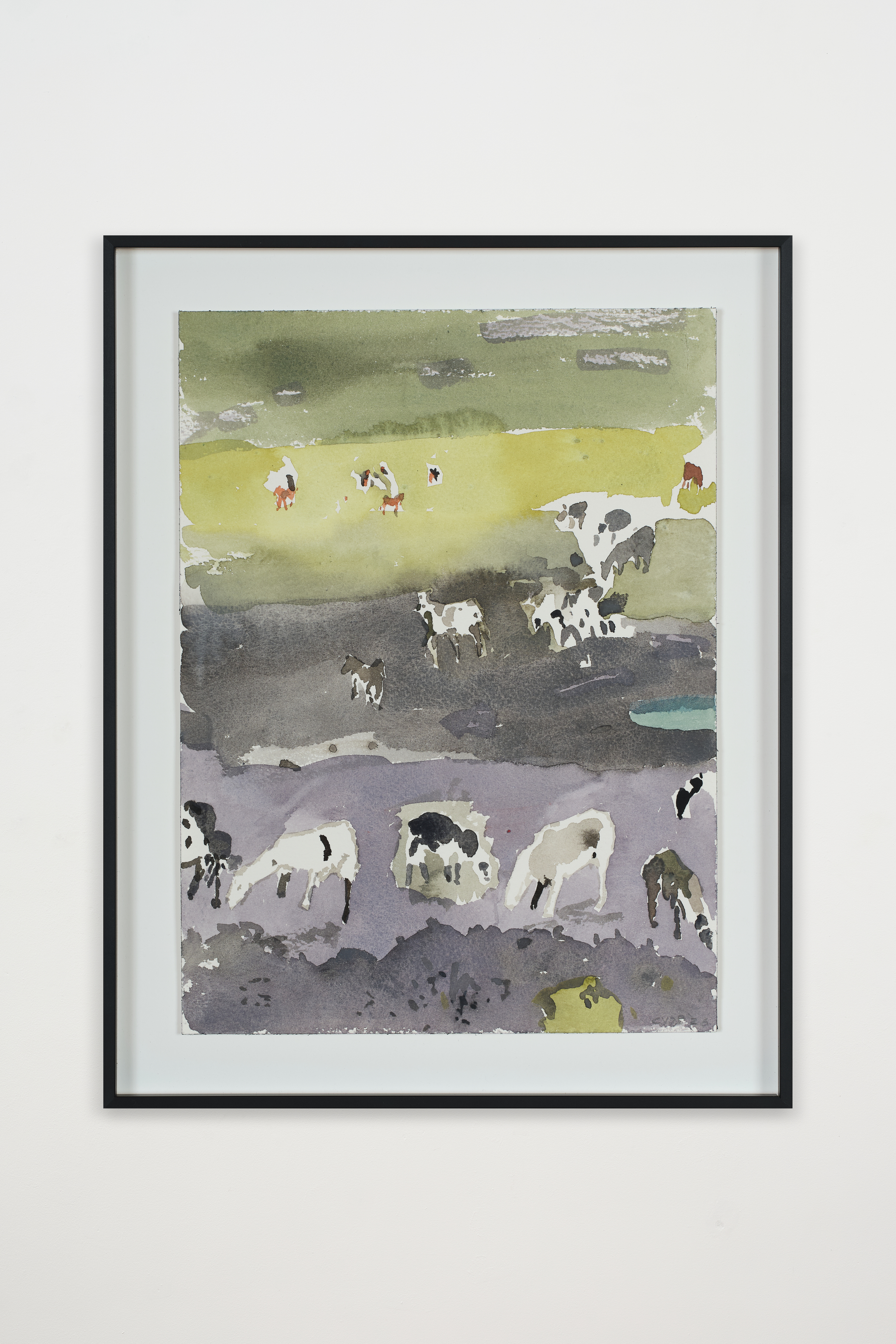
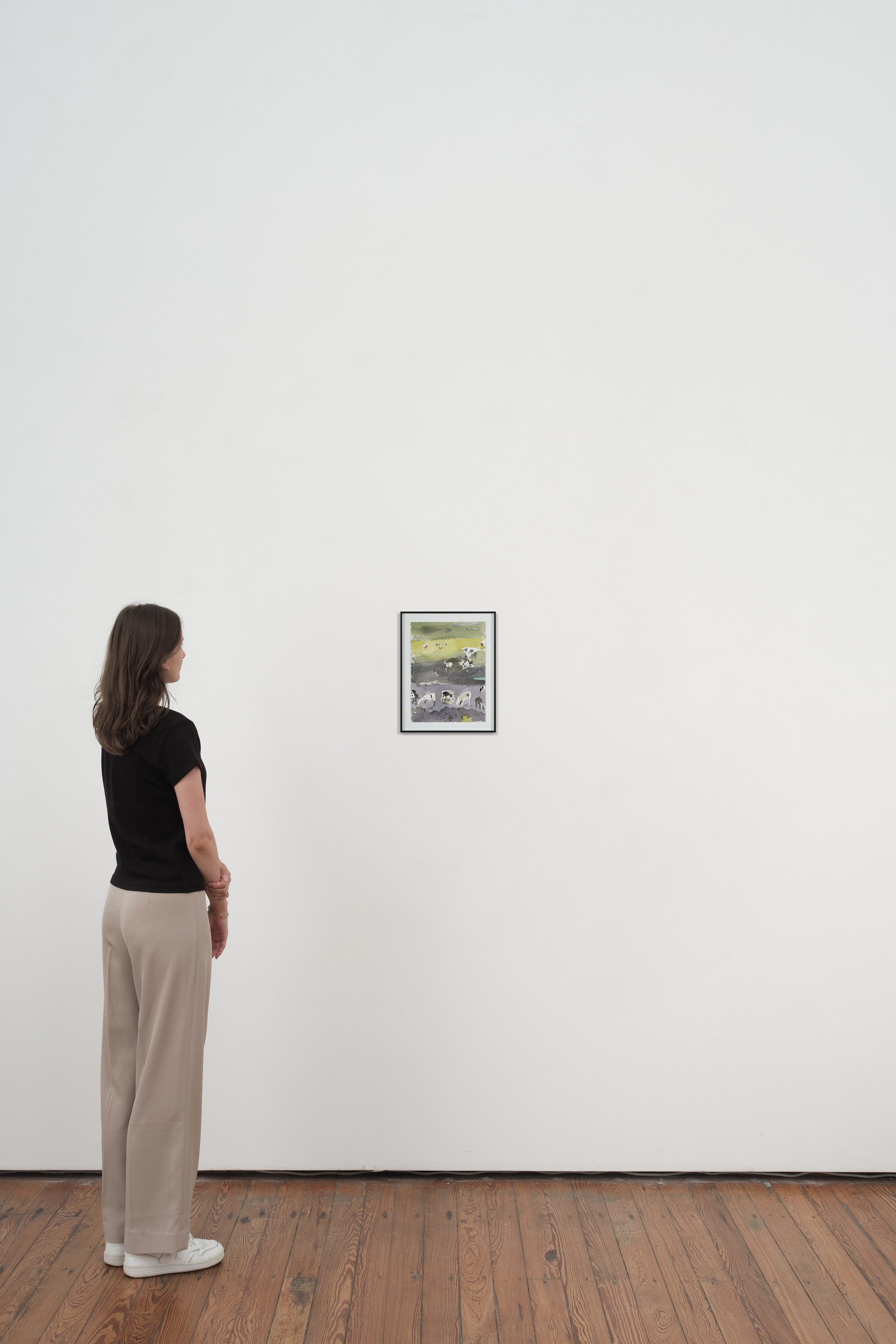
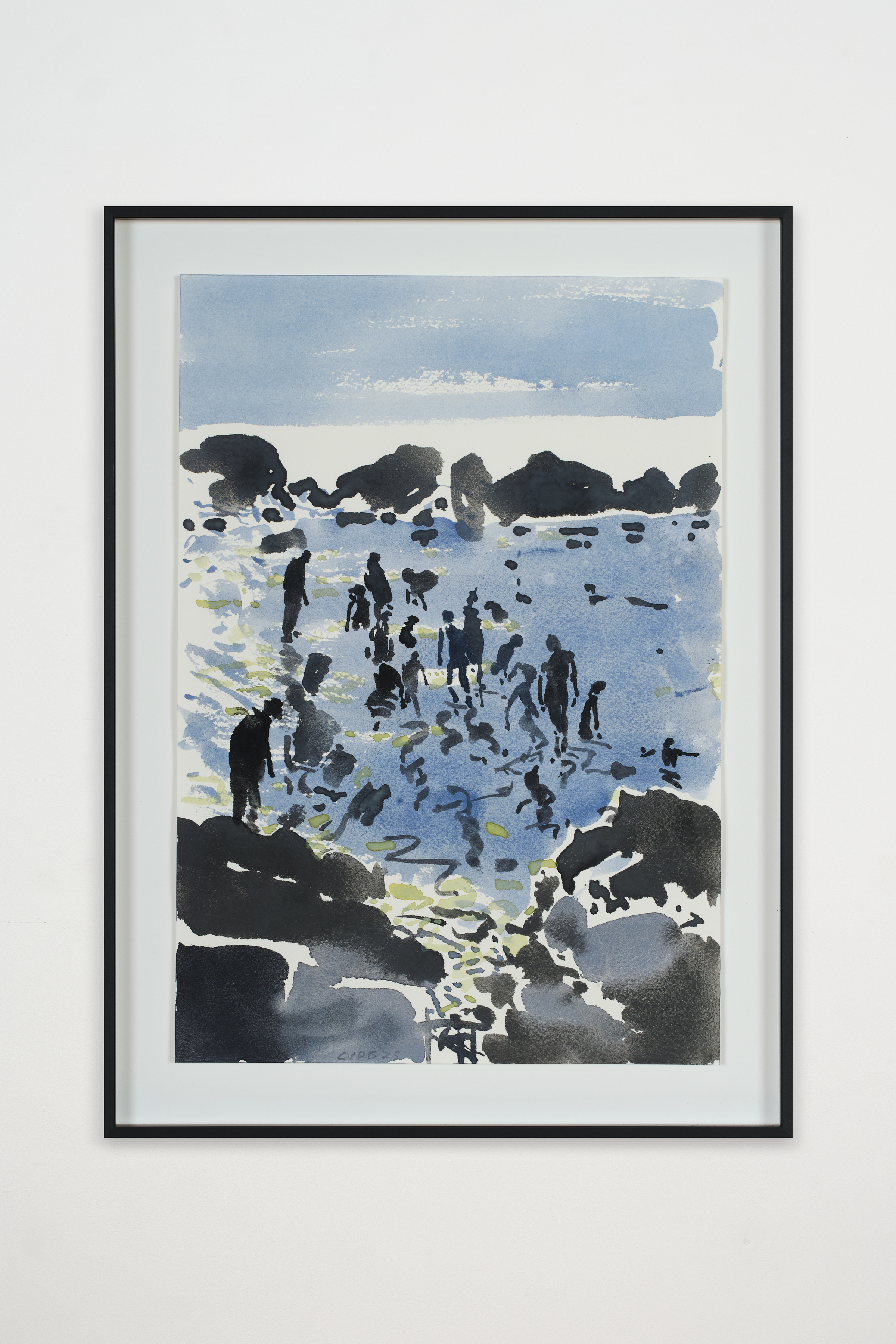
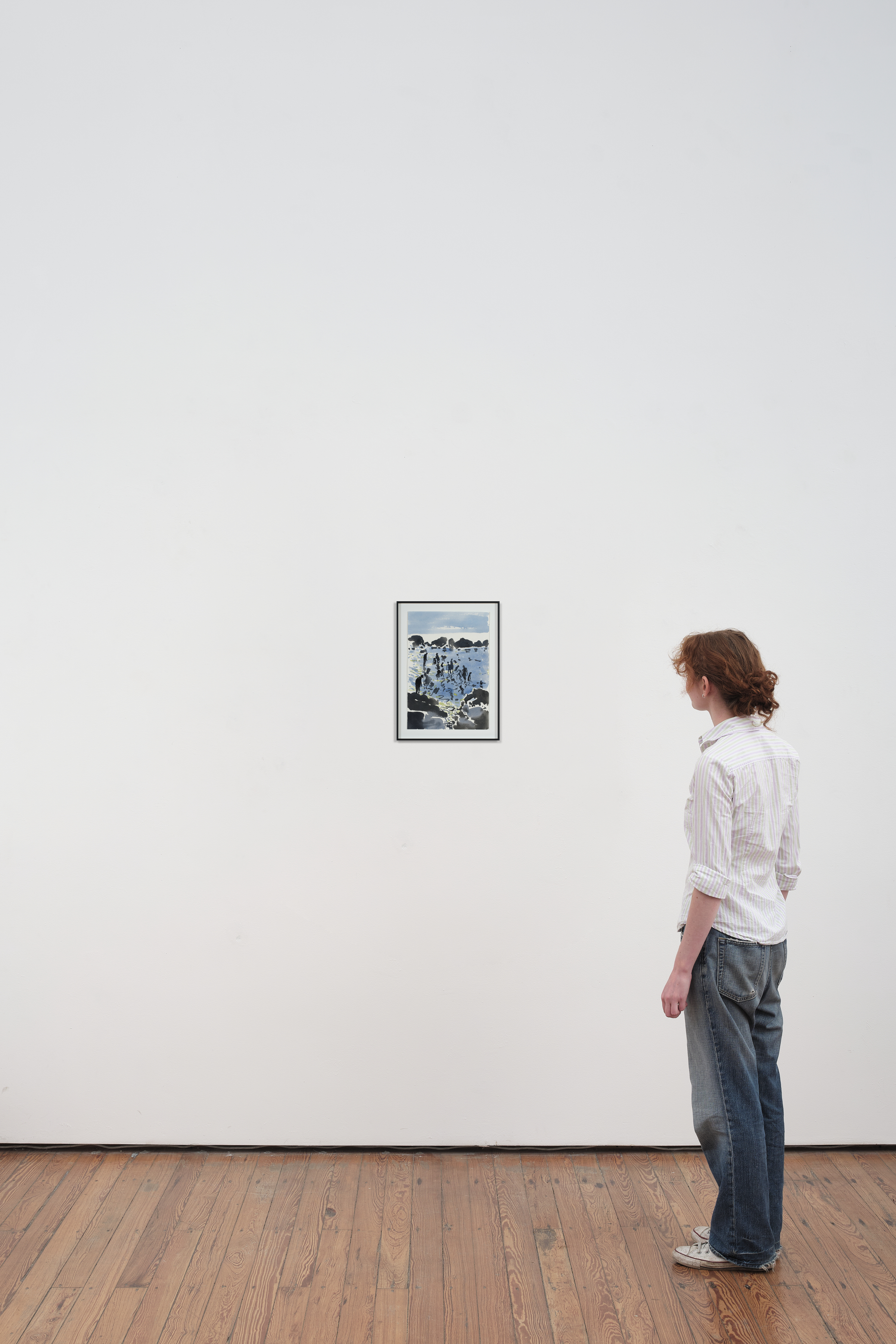
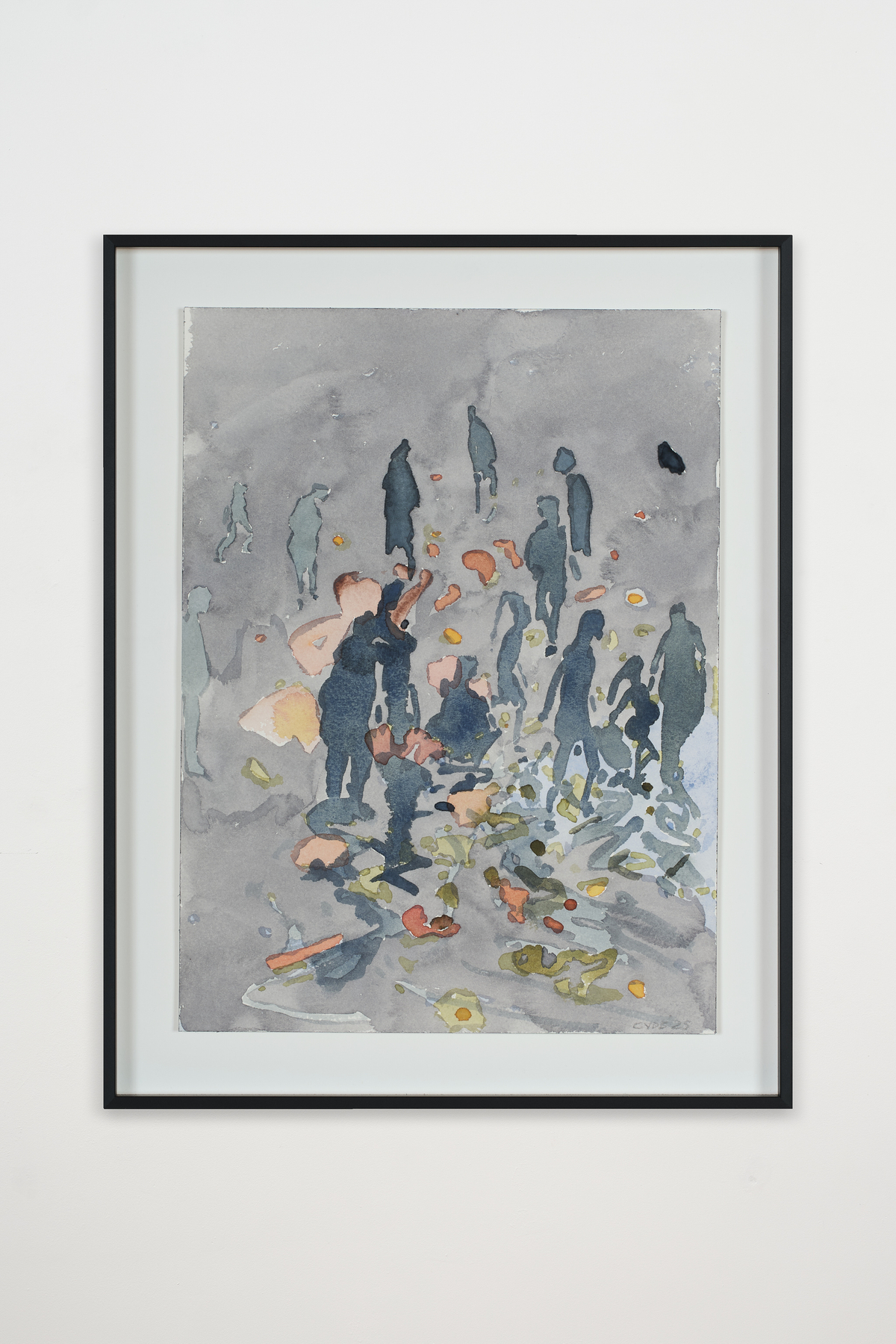
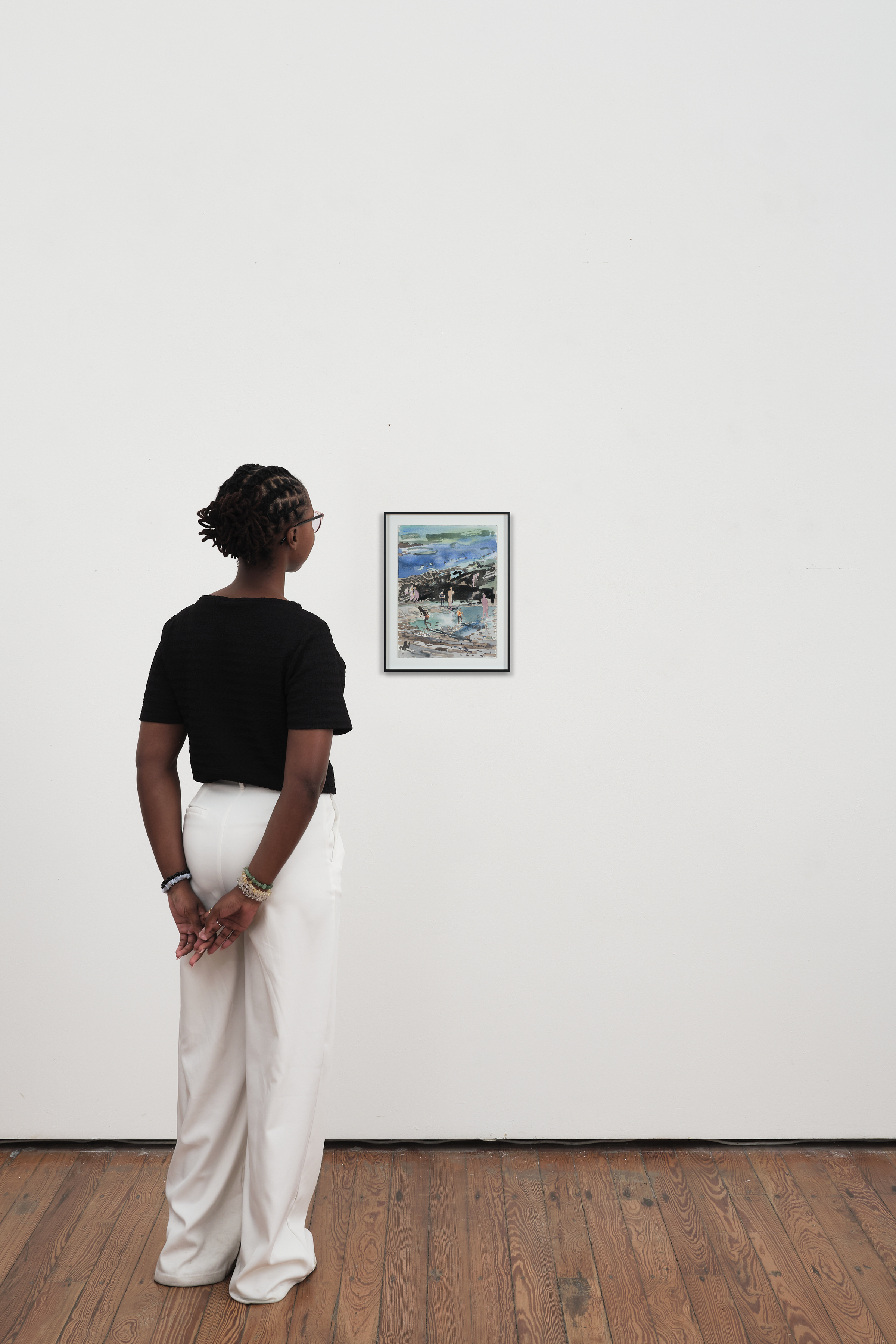
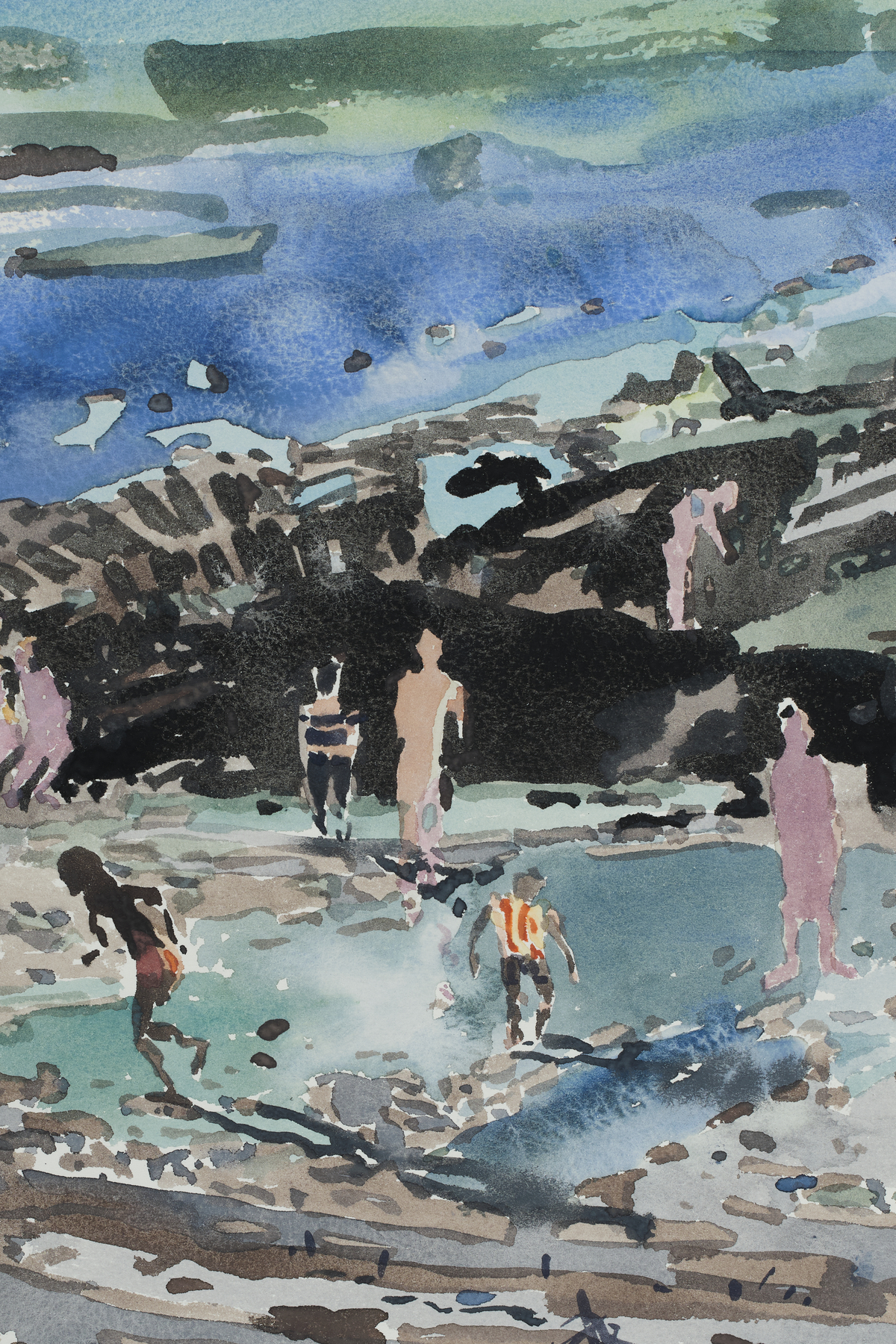
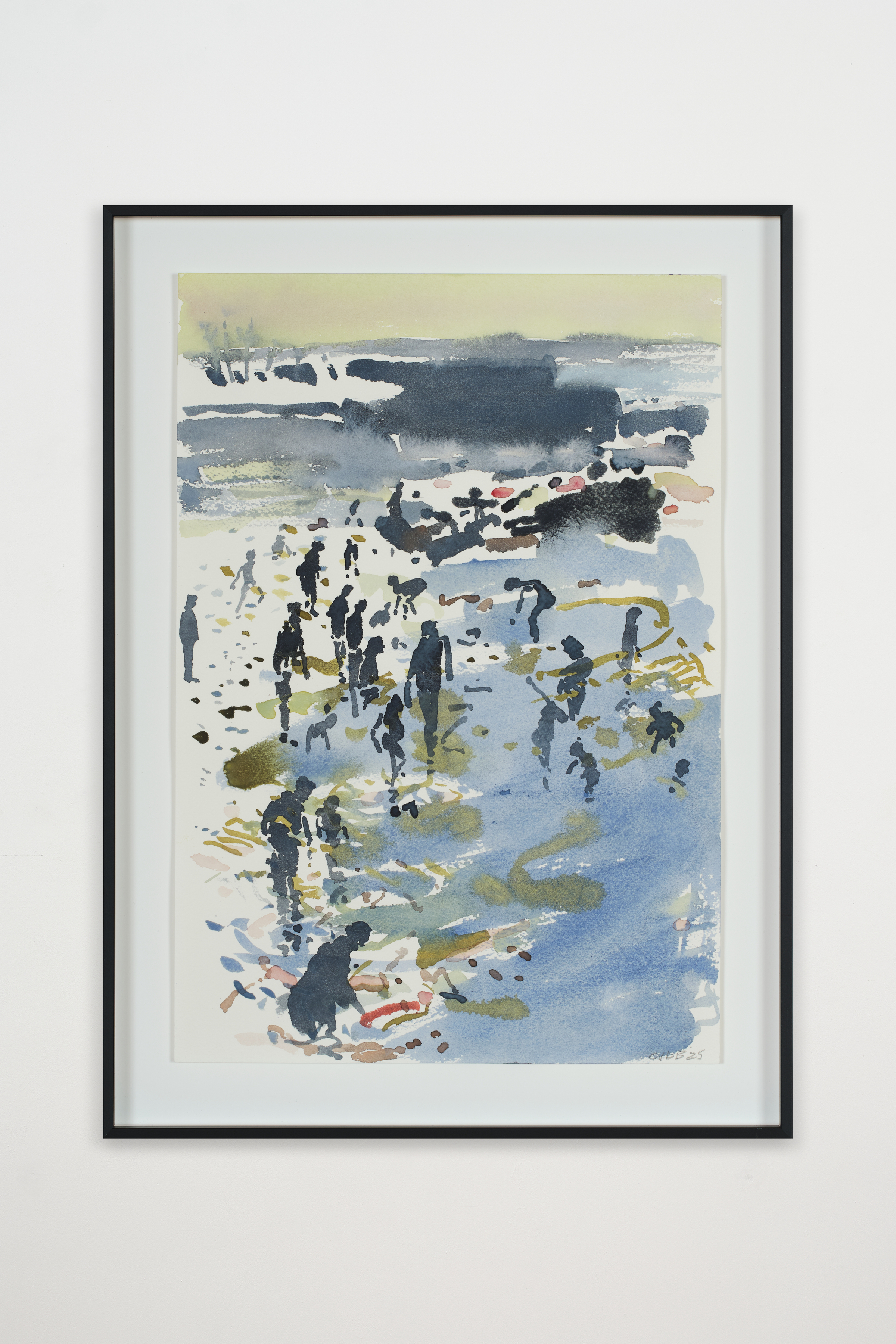
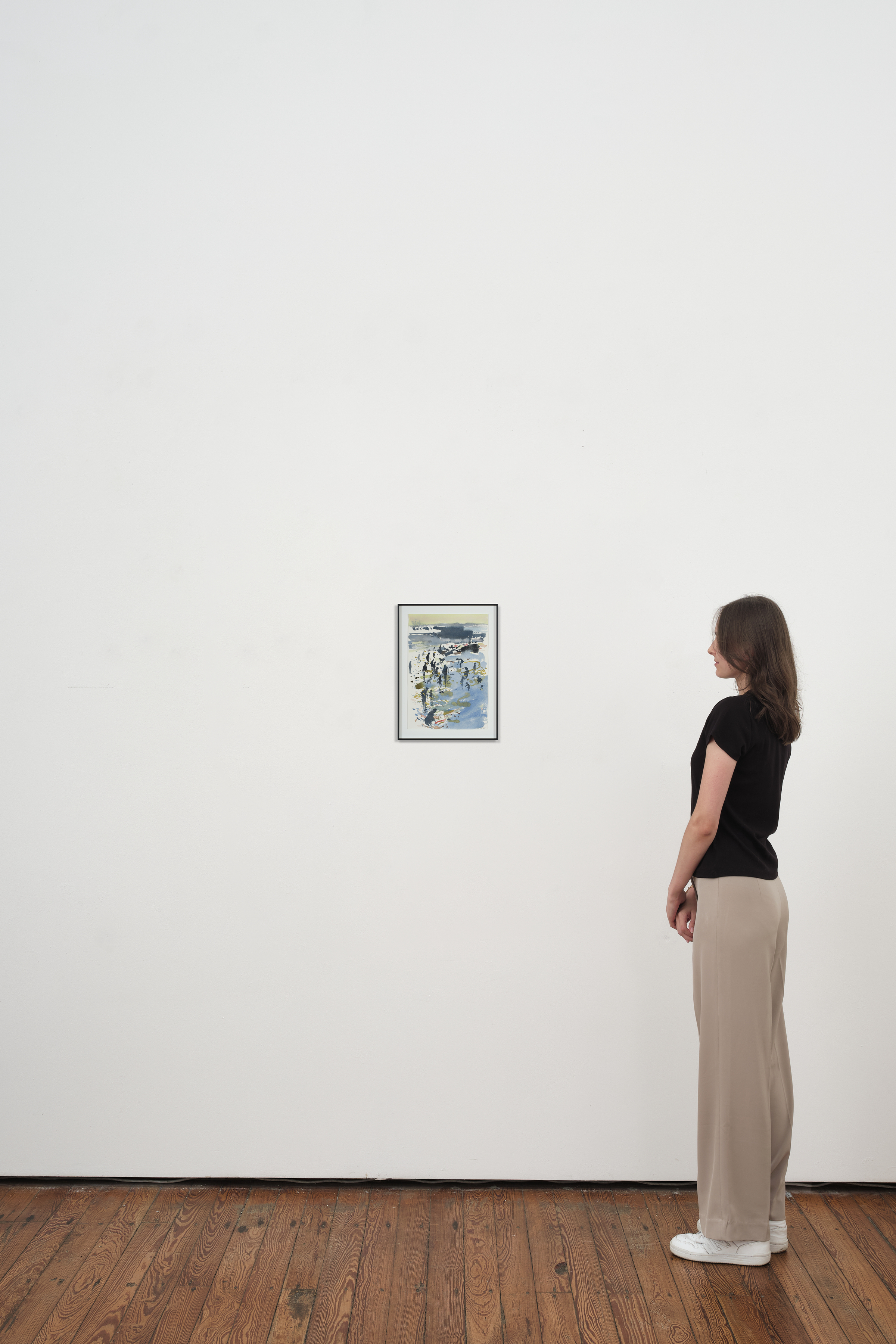
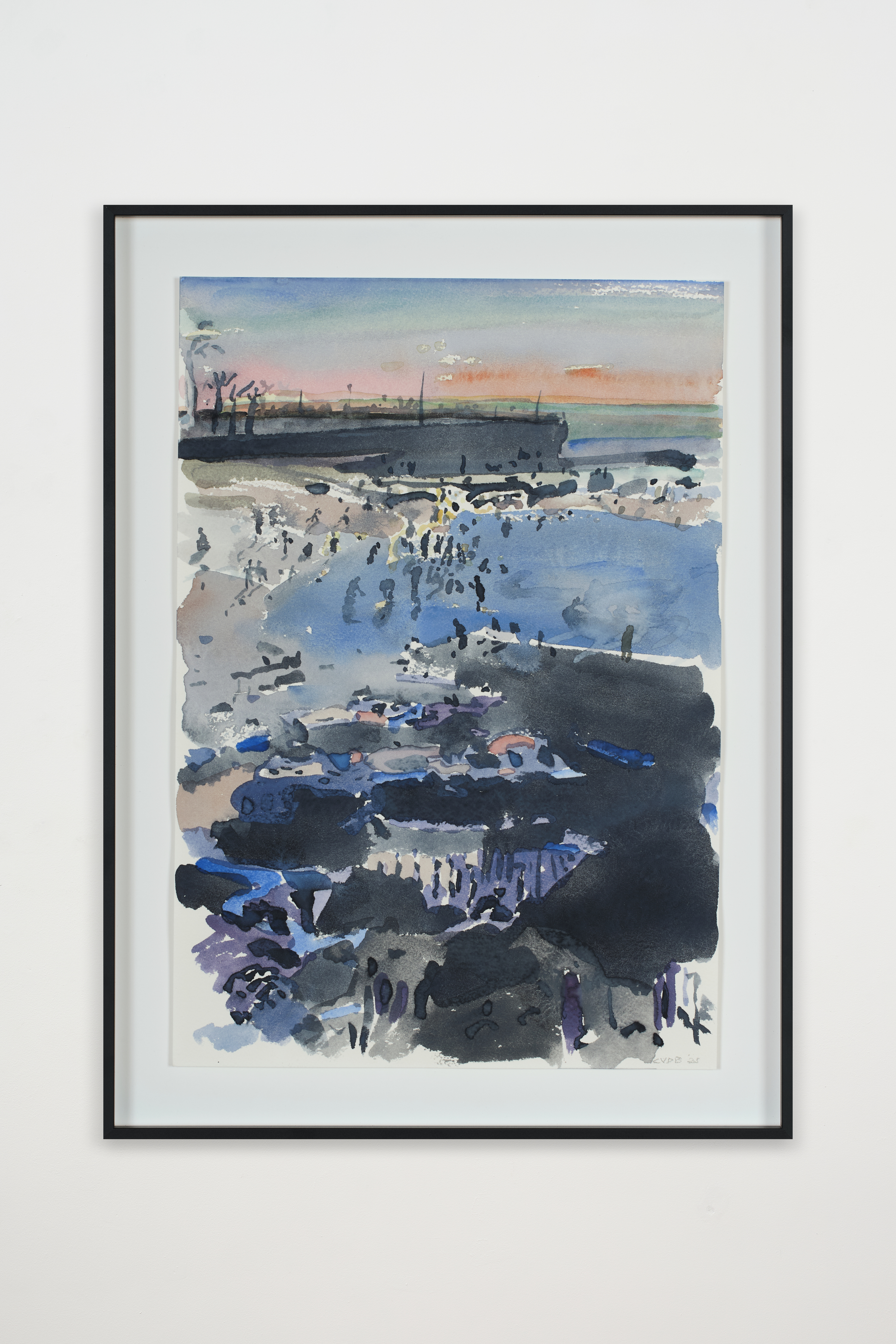
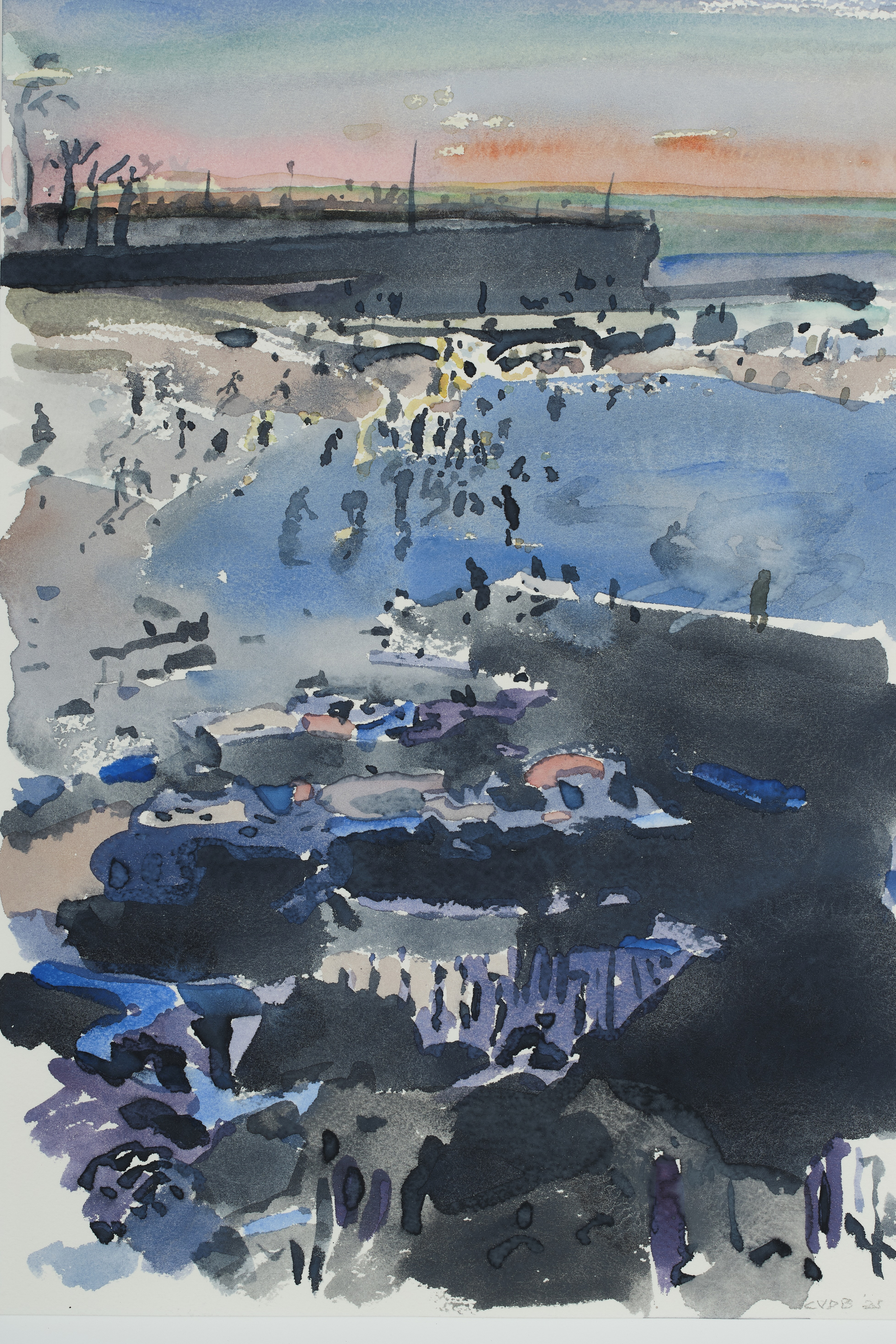
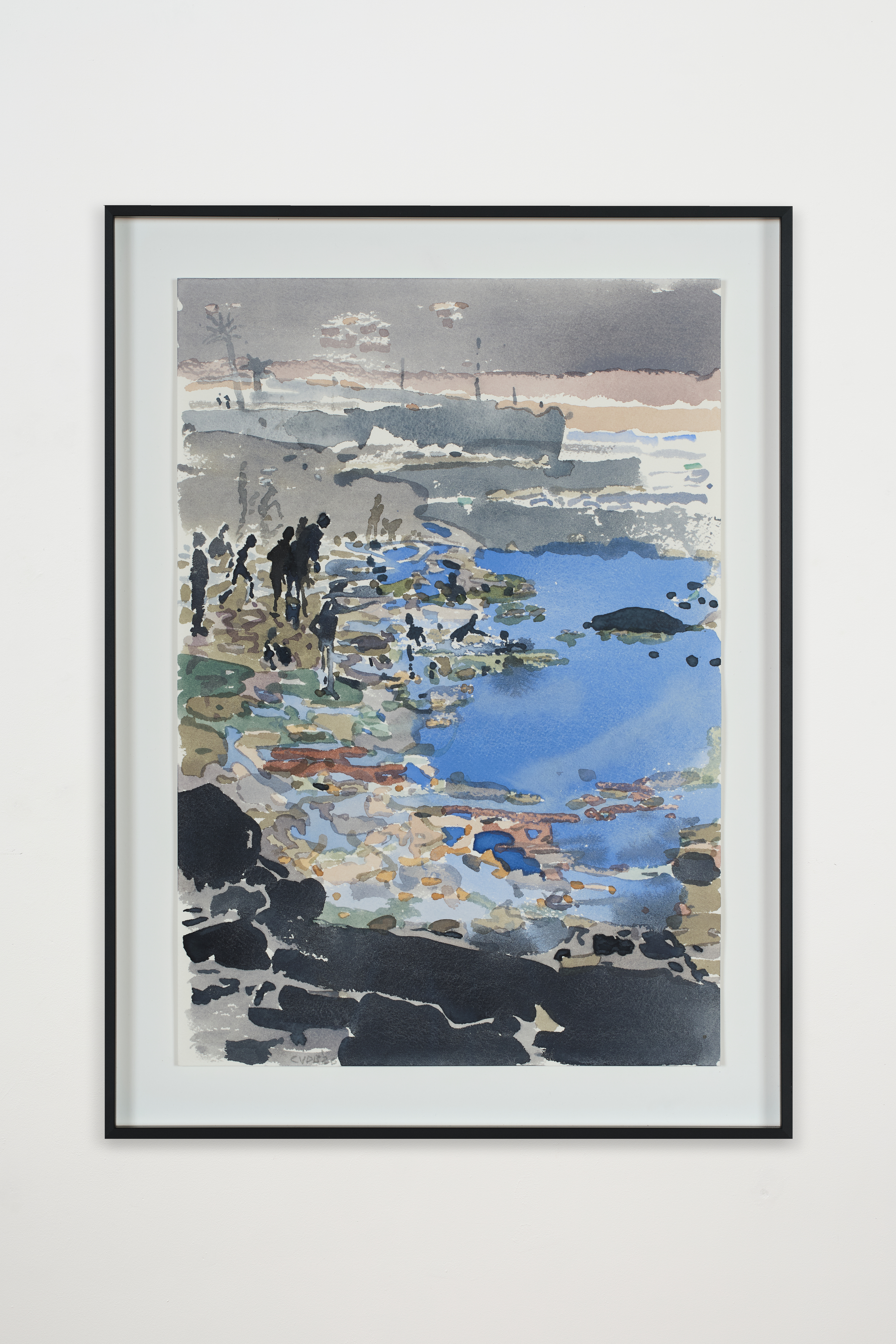
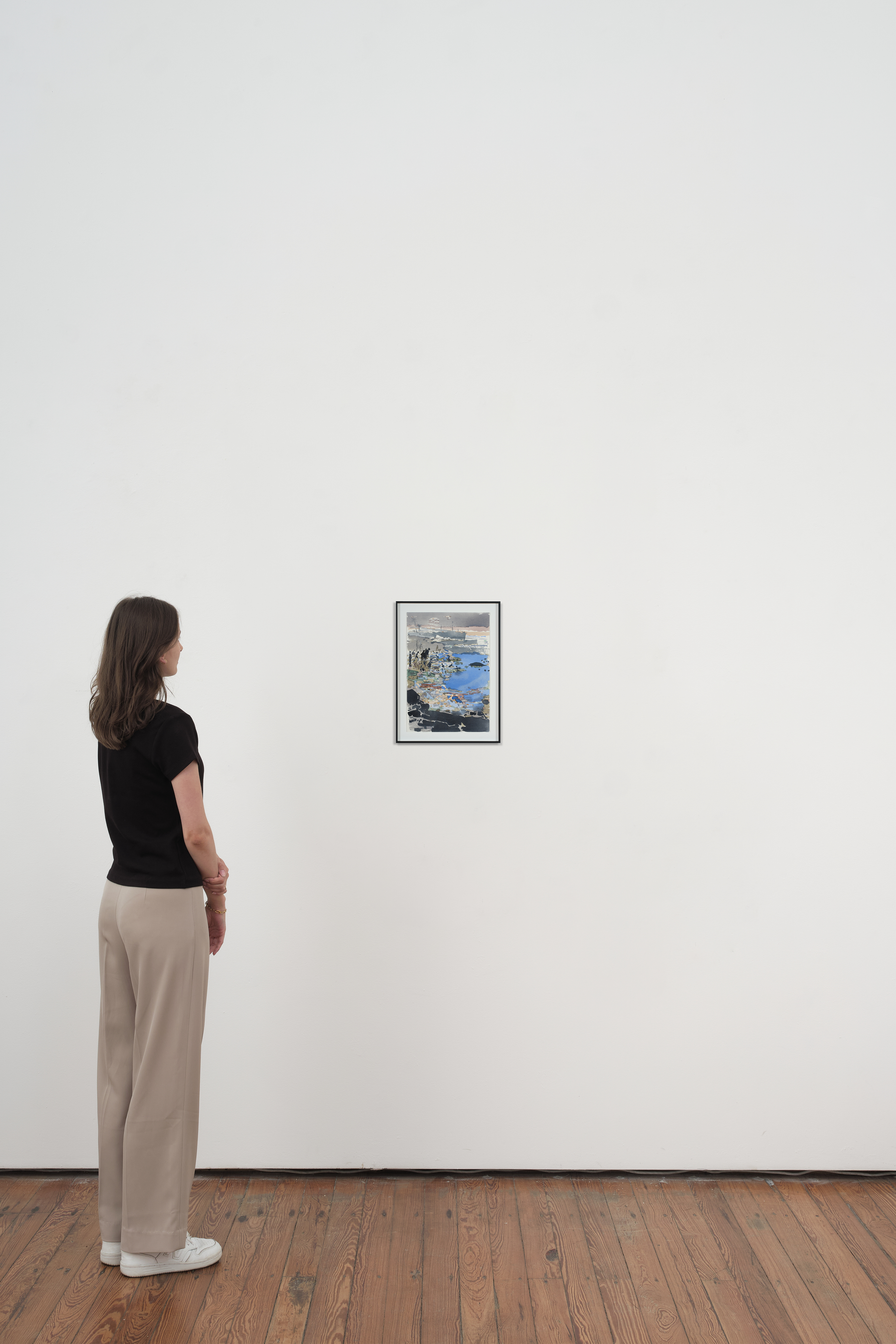
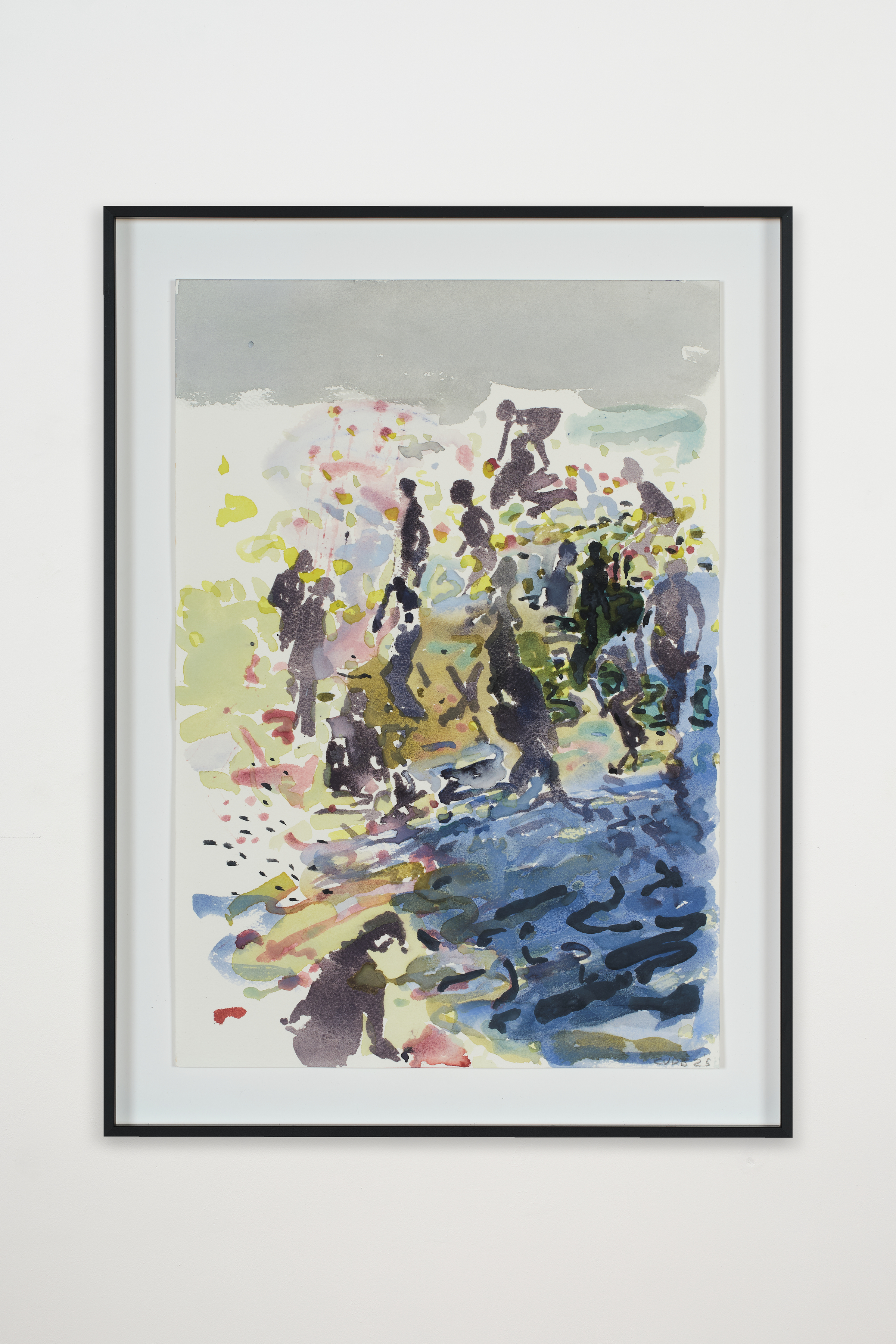
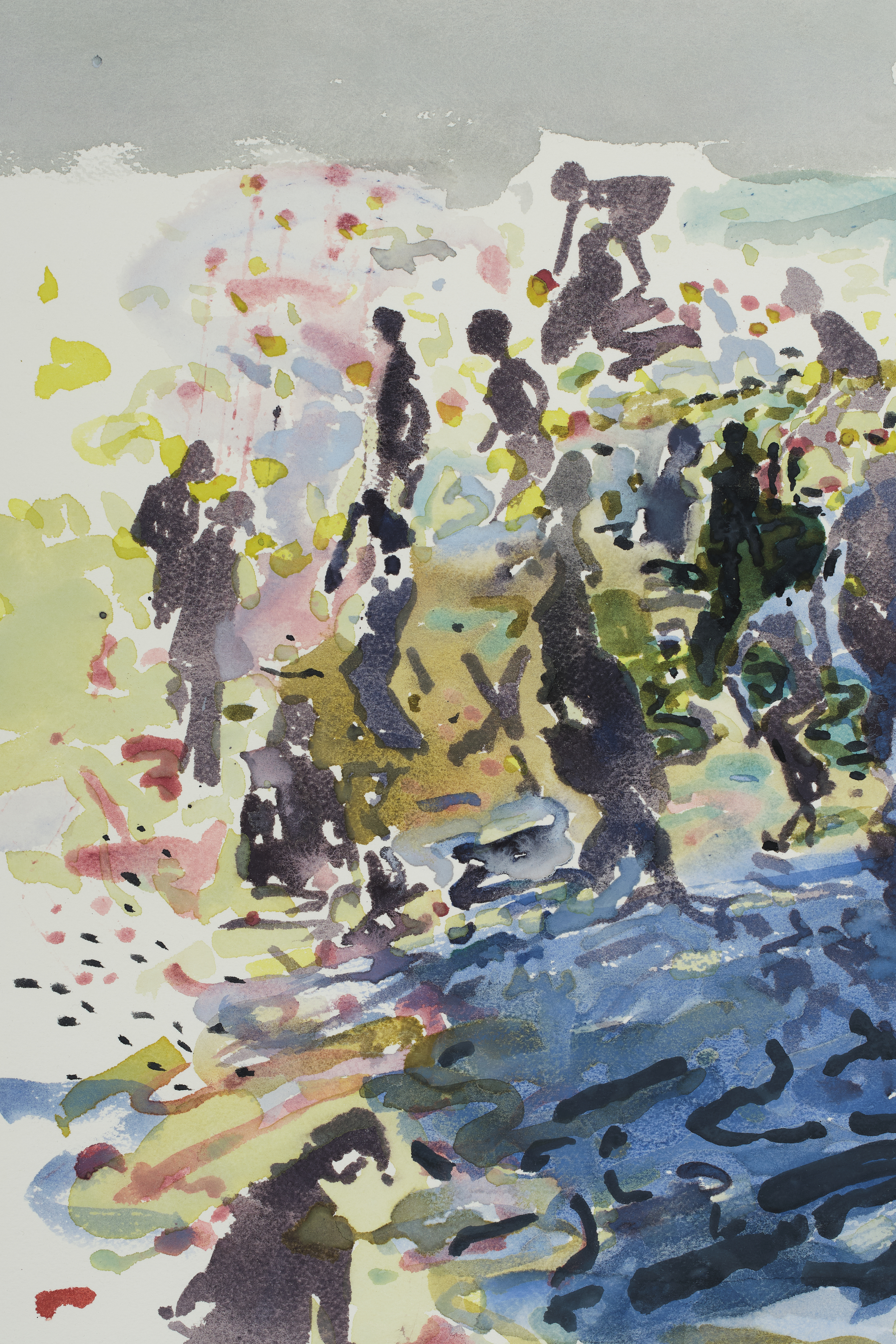
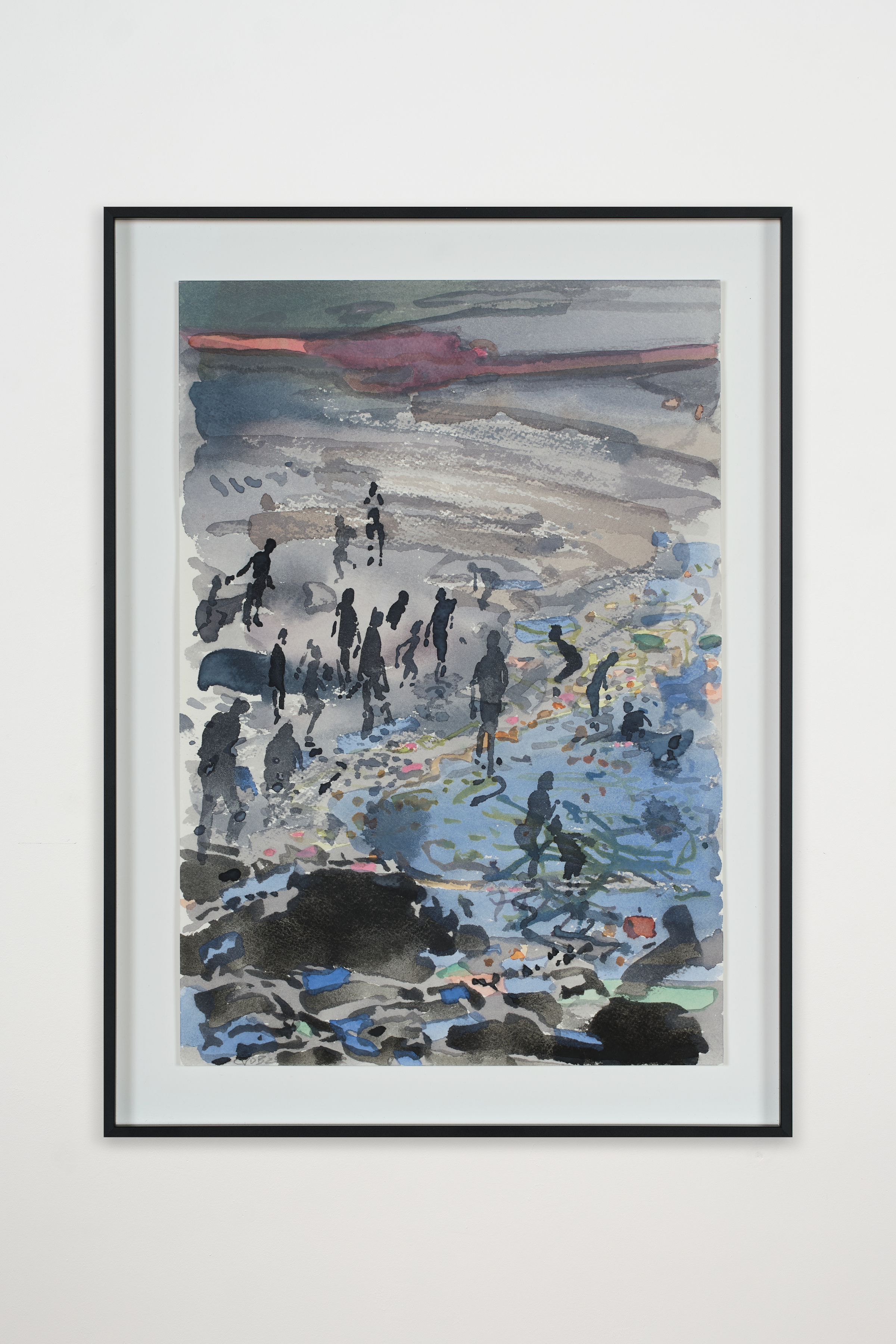
Goodman Gallery, in collaboration with Oude Leeskamer, presents Remnant – a survey of new and recent paintings by South African artist Clive van den Berg. Bringing together works that continue his decades-long meditation on land, memory and the unseen forces that settle within a place, Remnant foregrounds Van den Berg’s intuitive, gestural approach to painting as a form of unearthing. In these works, landscape becomes both site and process, a mutable field in which meaning is continuously negotiated rather than resolved. What appears on the canvas often feels provisional, held between what is remembered and what resists articulation.
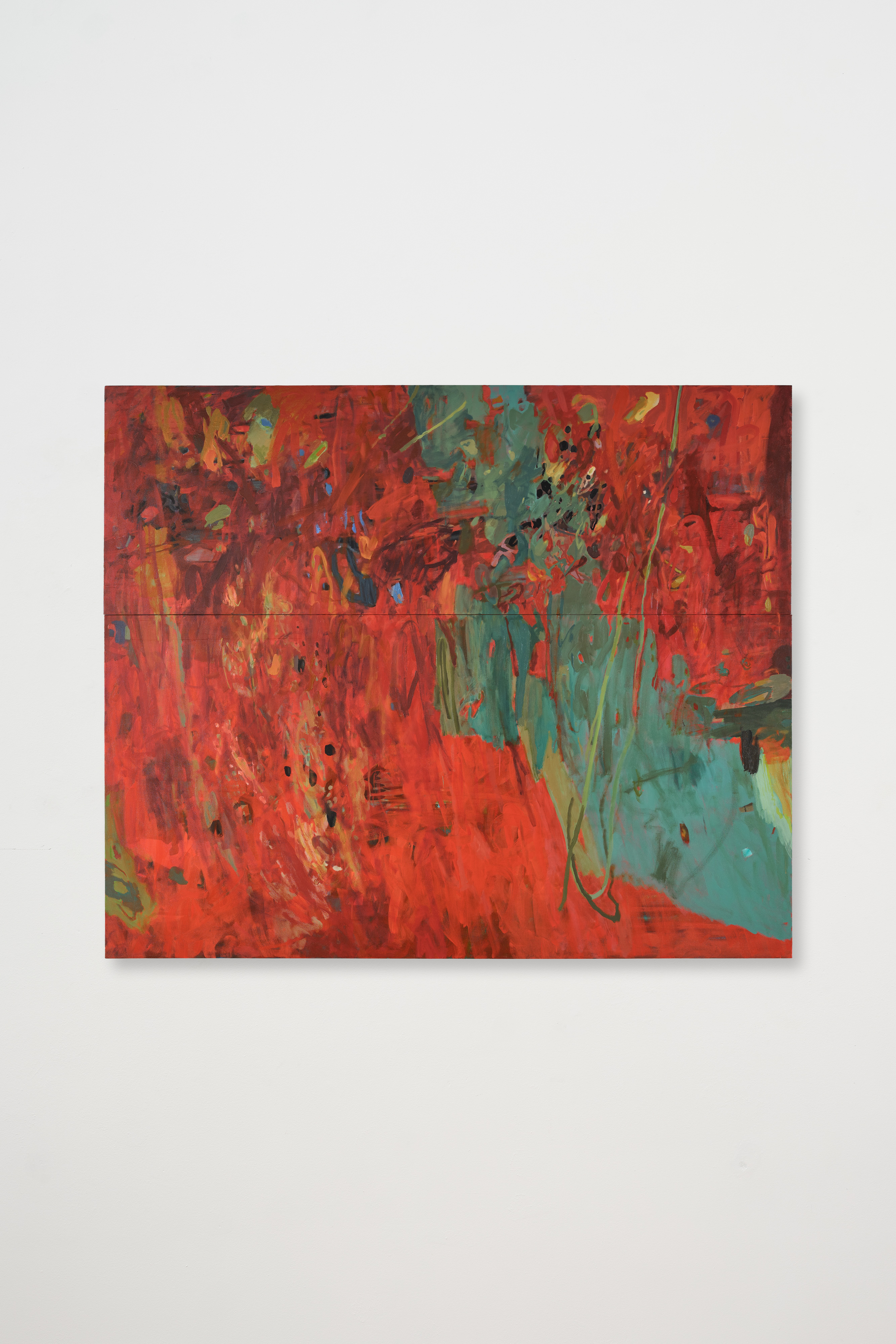
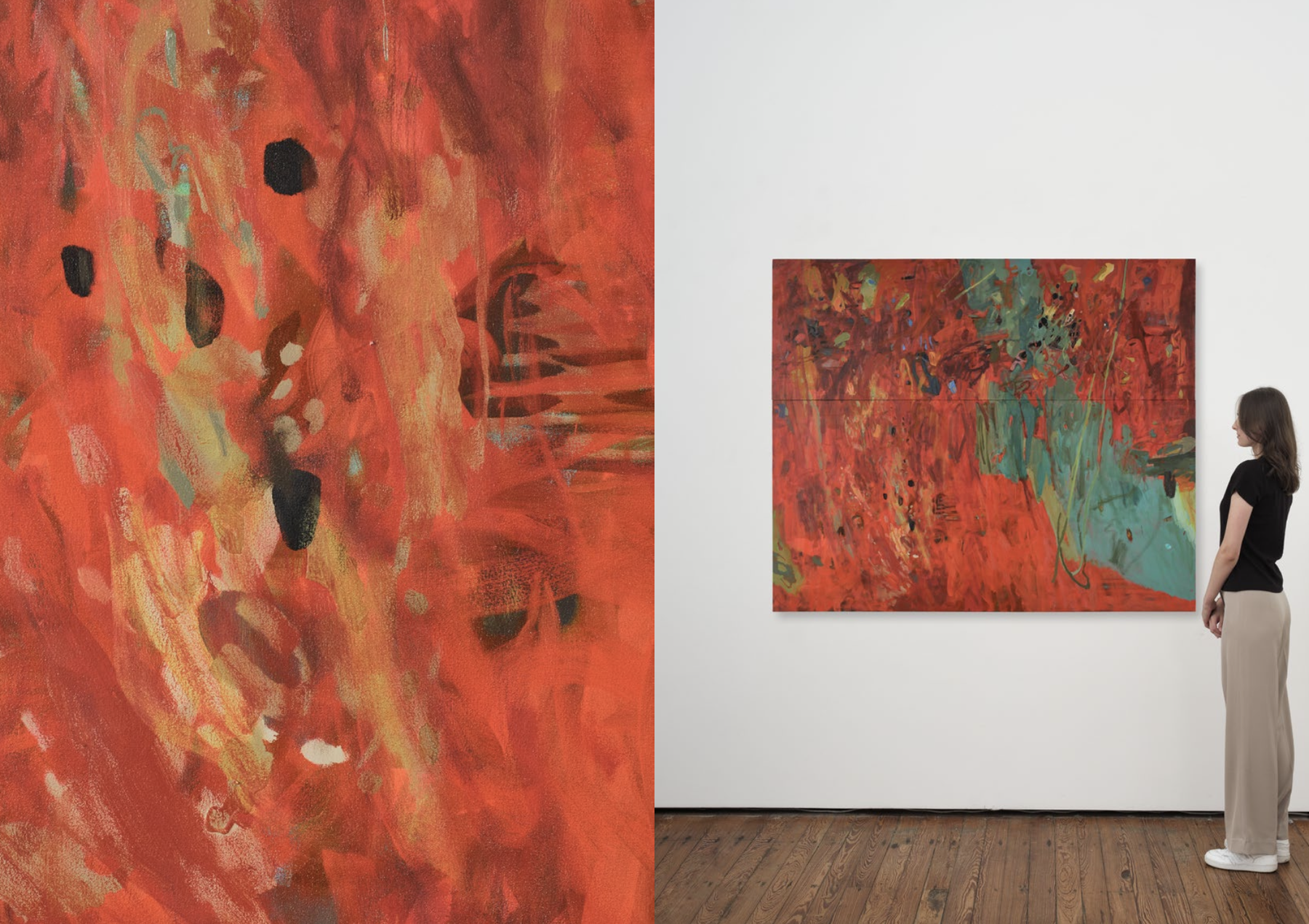
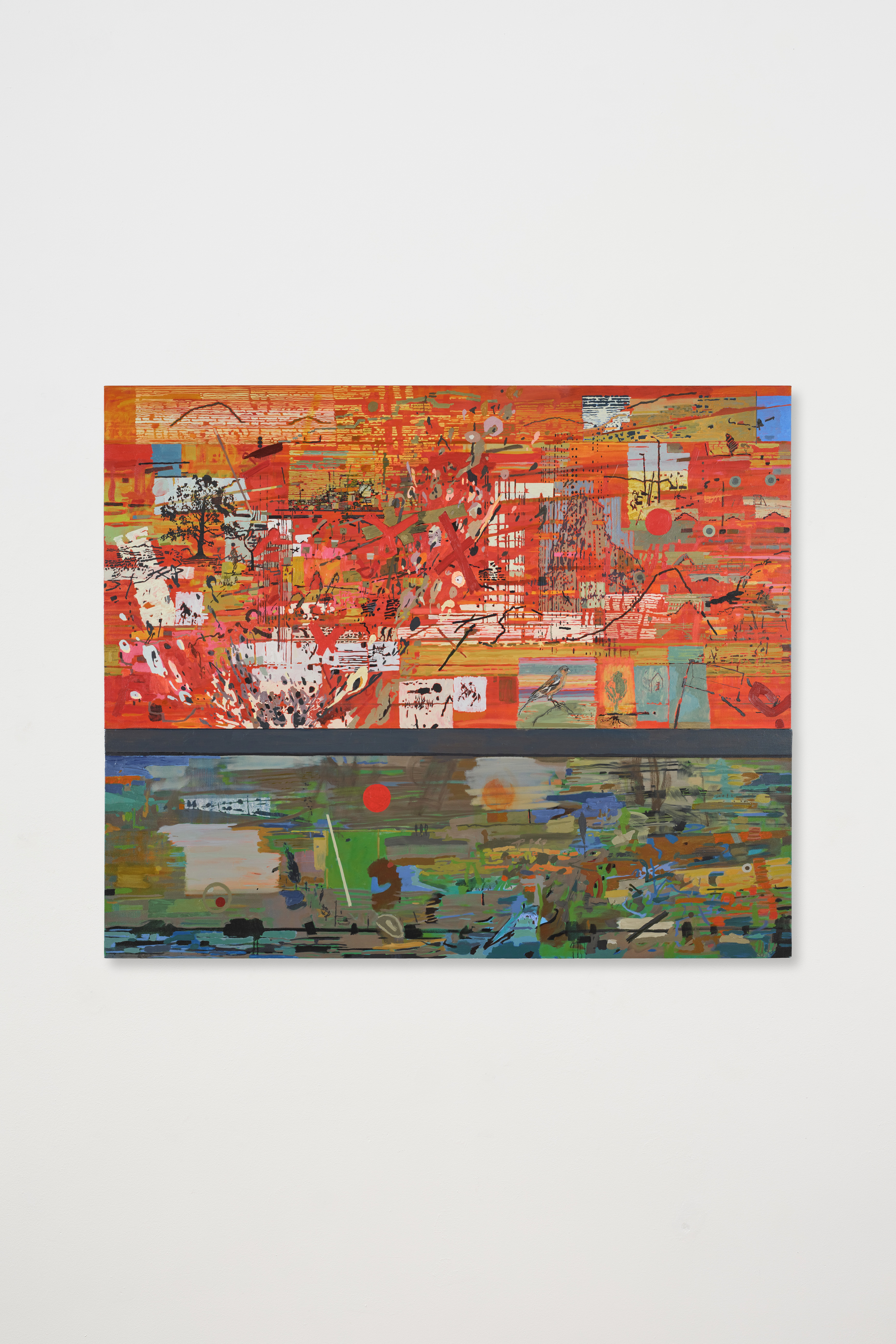
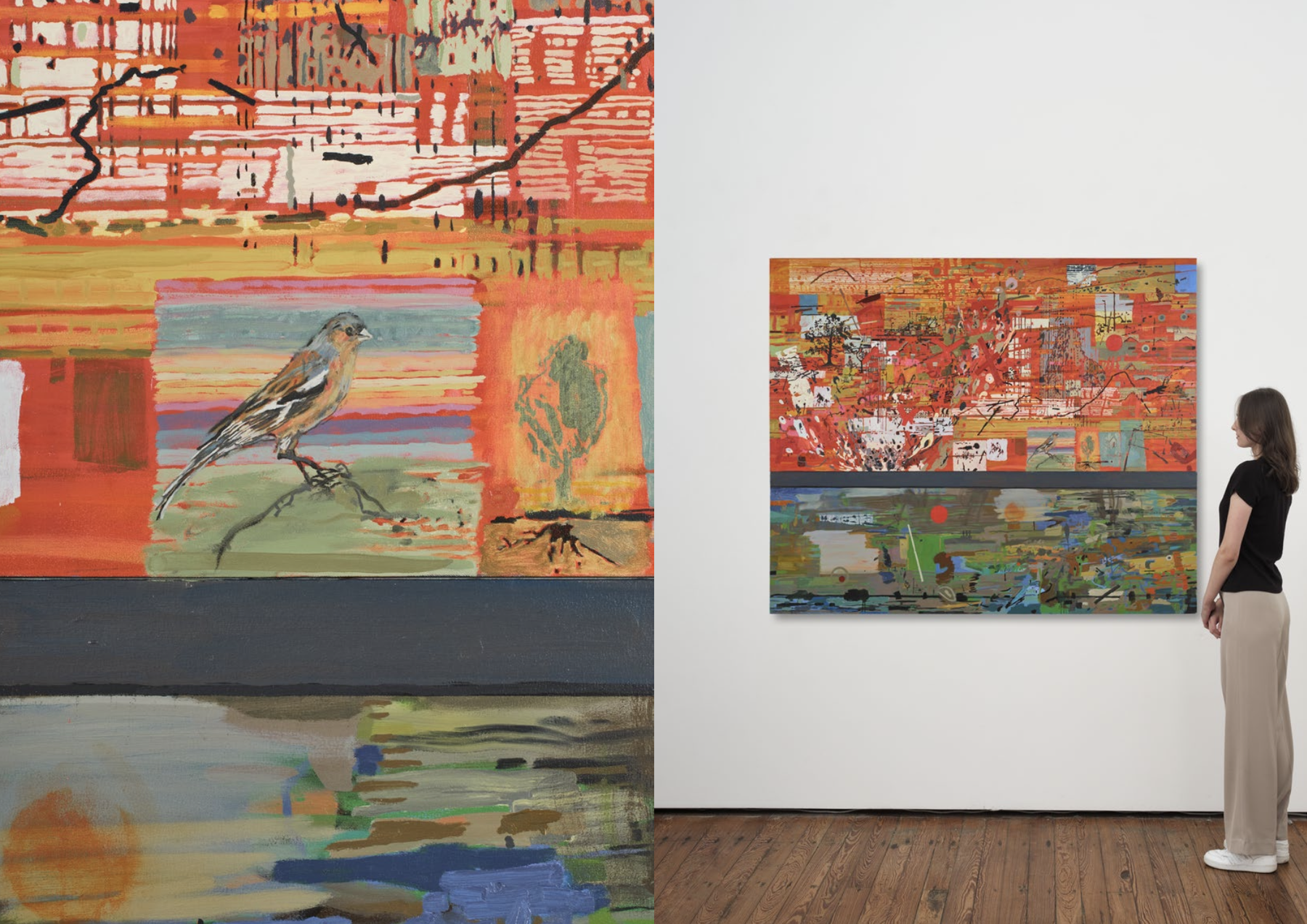
Van den Berg has long viewed landscape as a terrain shaped by the past and its echoes. He approaches land not as a neutral expanse but as a repository of lived experience, marked by what has occurred, what has been forgotten, and what lingers unresolved. In Remnant, he deepens this enquiry through surfaces animated by sweeping gestures, shifts of colour and textured passages that gather and fall away. Paint functions as a means of sensing rather than illustrating, allowing forms to emerge through an interplay of intuition, atmosphere and memory.
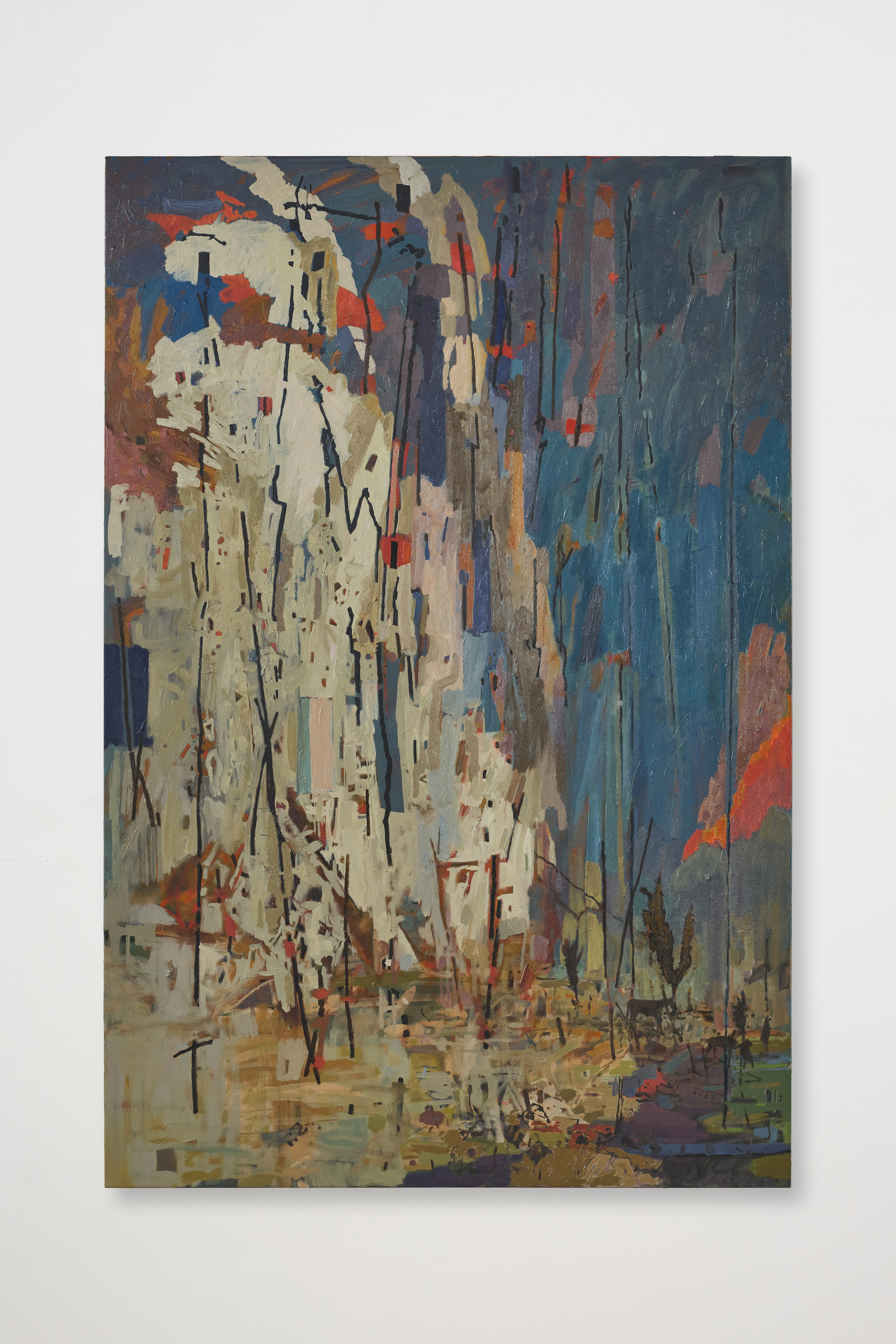
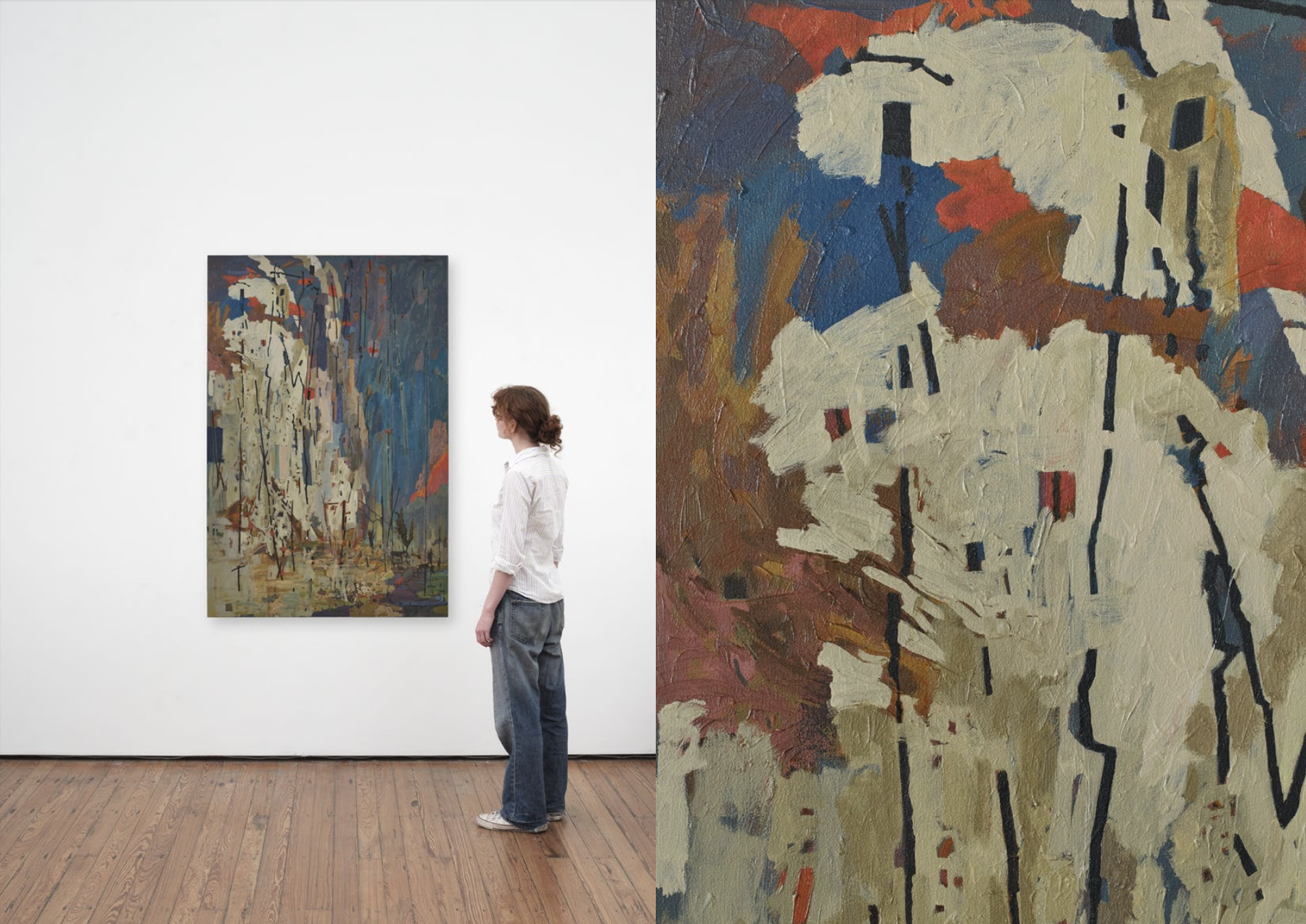
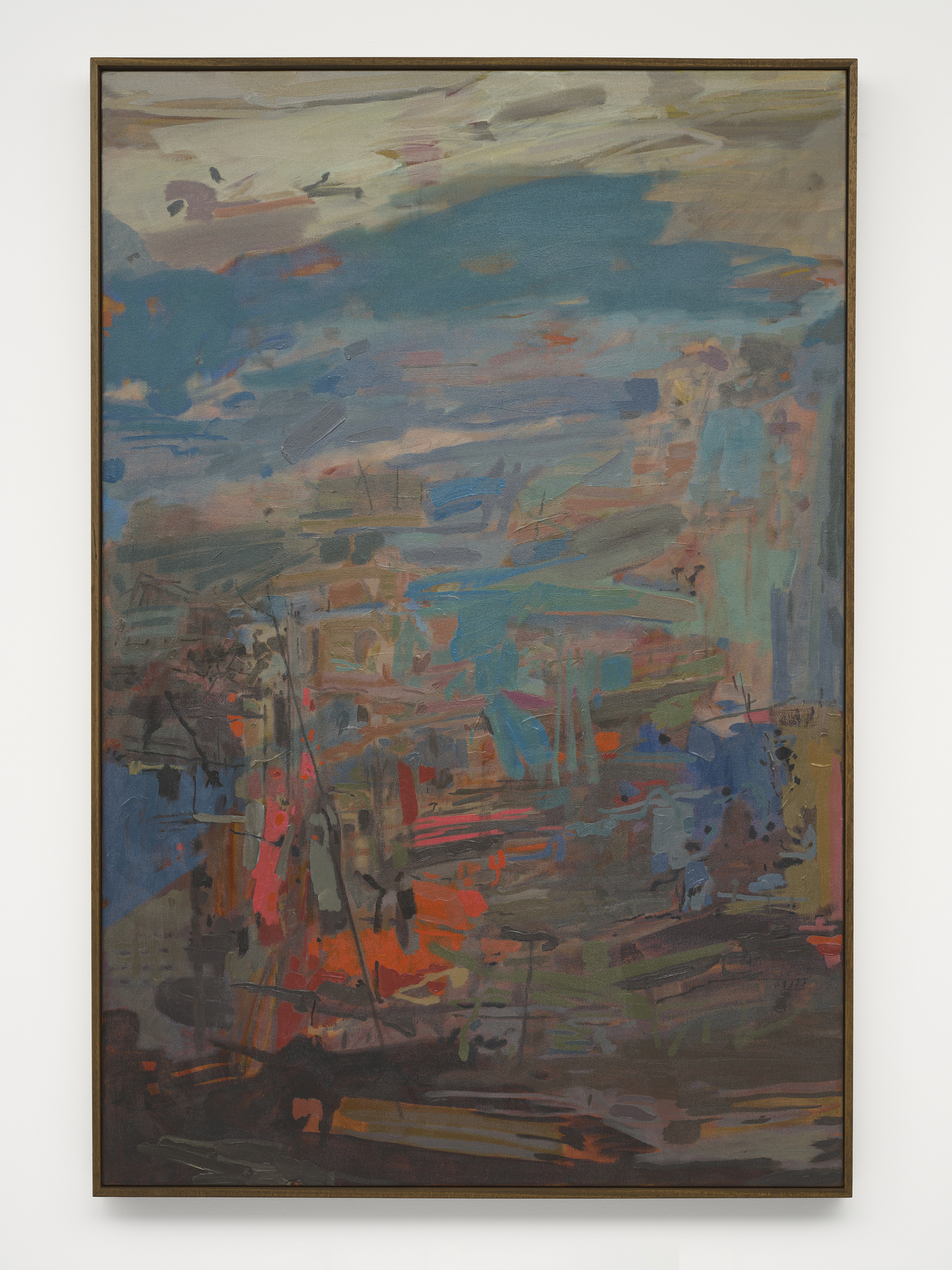
CLIVE VAN DEN BERG
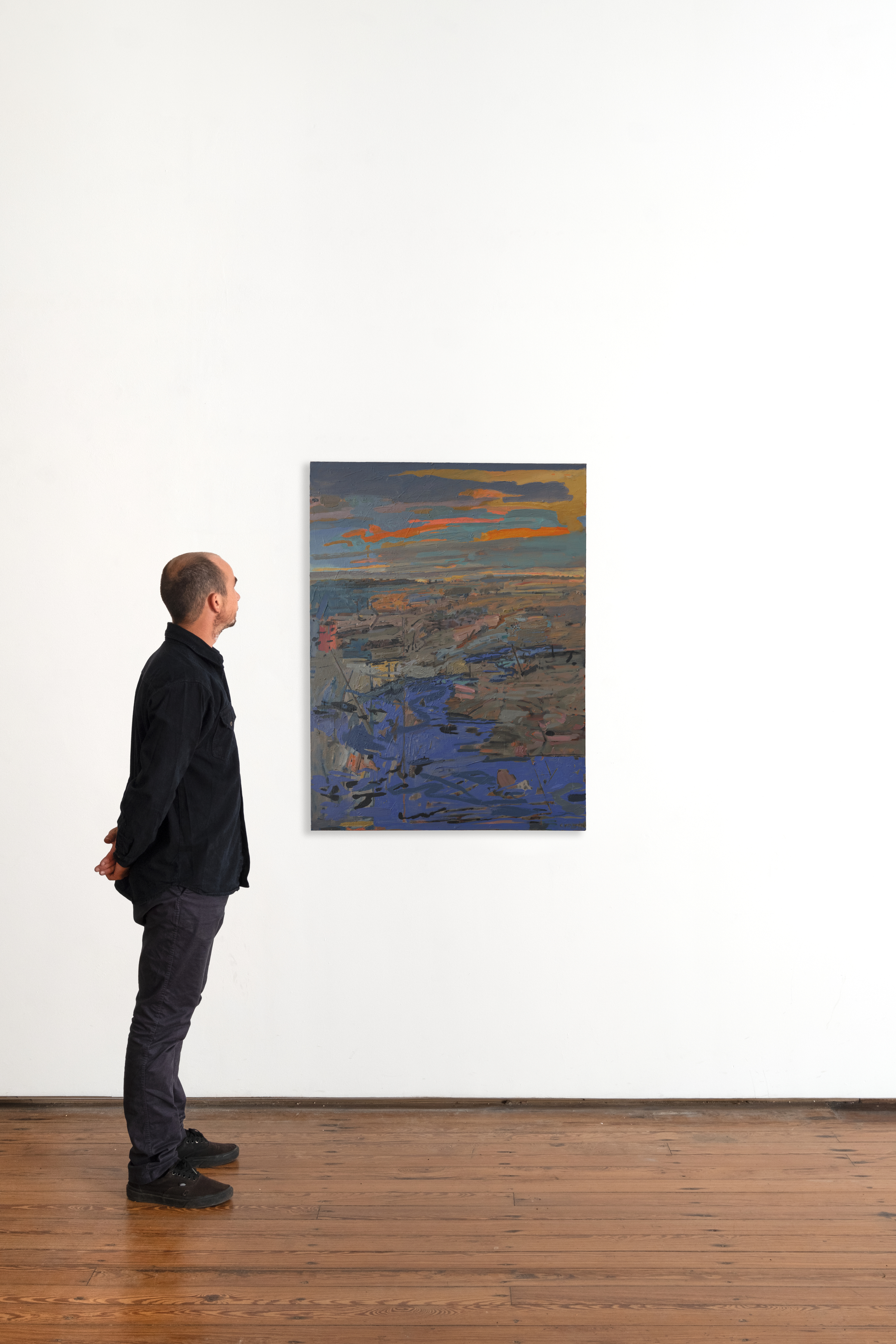
Landscape Horizon VIII, 2024
Oil on canvas
150 x 100 x 2.5 cm (59.1 x 39.4 x 1 in.)
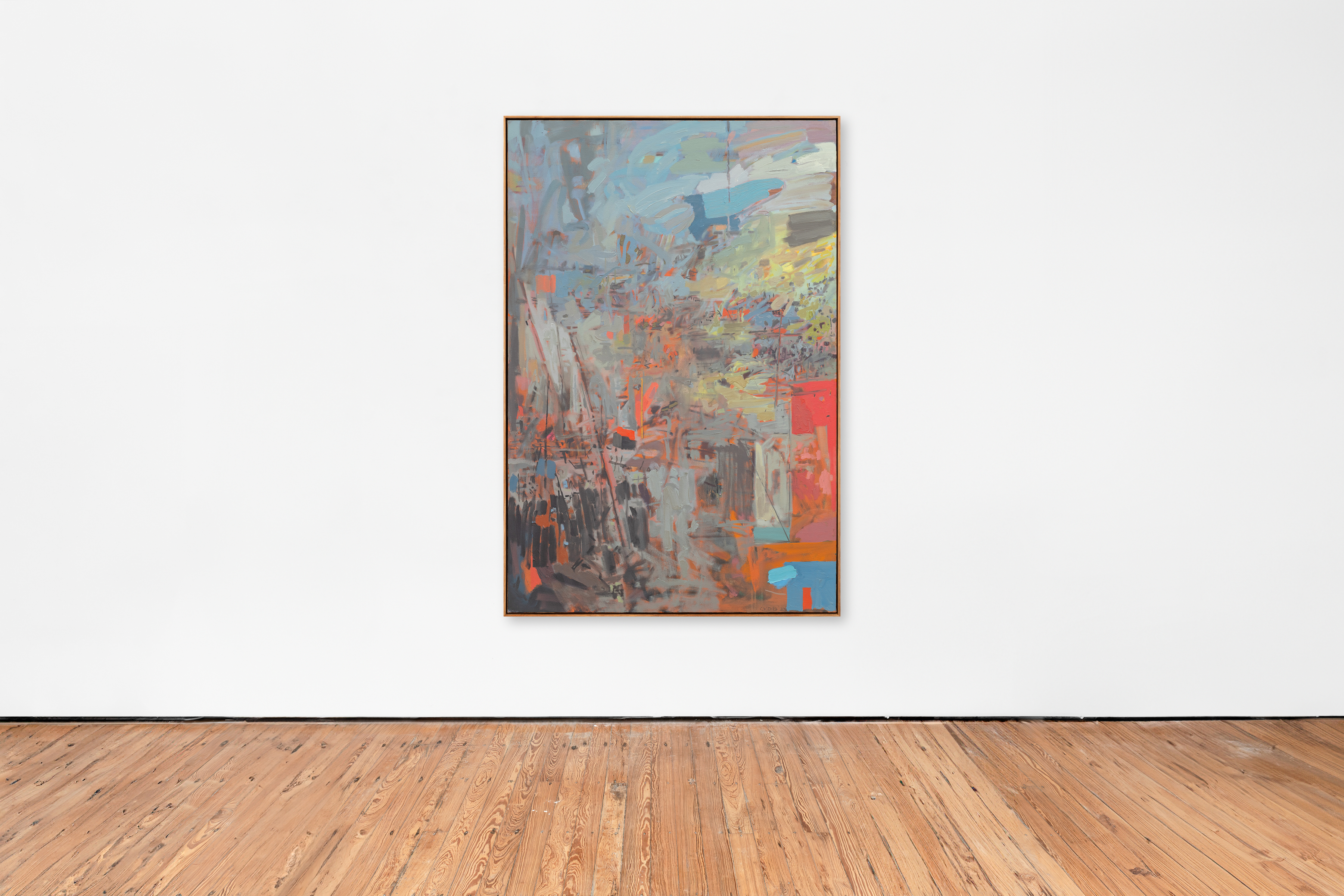
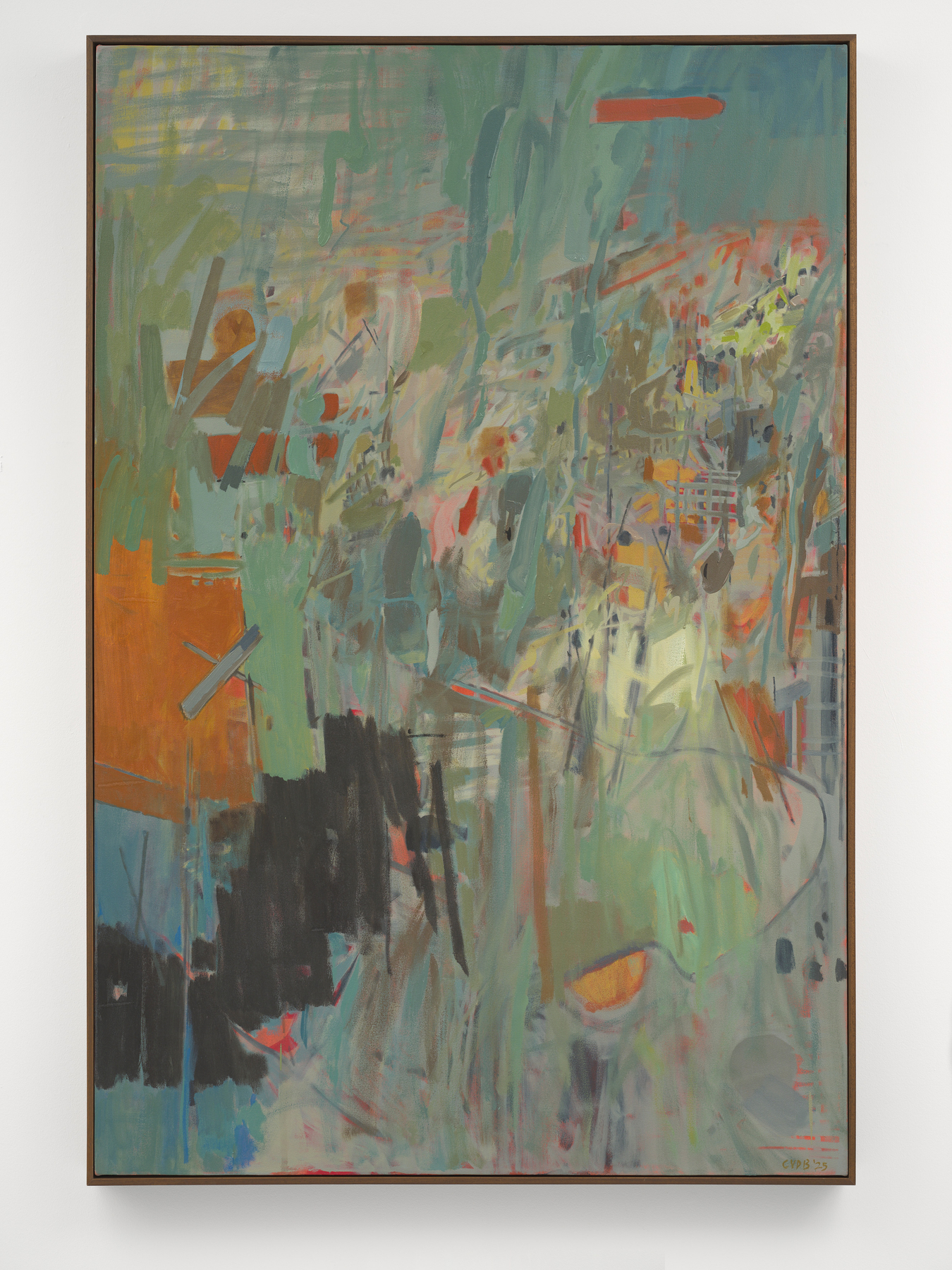
CLIVE VAN DEN BERG
Landscape Horizon VII, 2023
Work: 150 x 100 x 2.5 cm (59.1 x 39.4 x 1 in.)
Frame: 153 x 102.7 x 7 cm (60.2 x 40.4 x 2.8 in.)
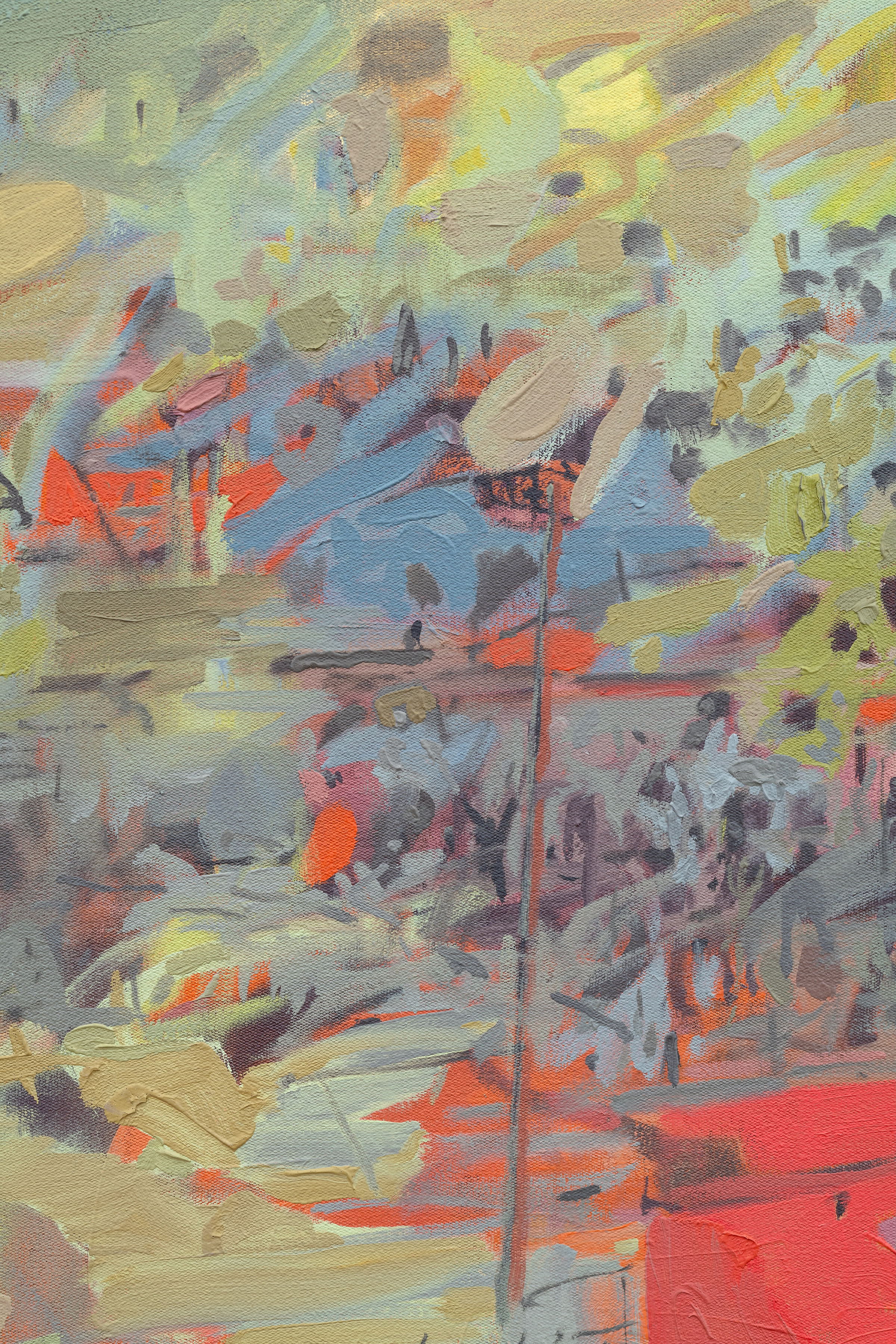
A recurring idea within Van den Berg’s practice is that of ‘fugitive marks’, the lingering traces of past events embedded within the land. These subtle prompts, whether a rise in the earth or a scatter of stones, drift between recognition and obscurity. Rather than reconstructing fixed narratives, the artist responds to such vestiges with a visual language that moves between abstraction and allegory, permitting the unresolved nature of the past to remain open.
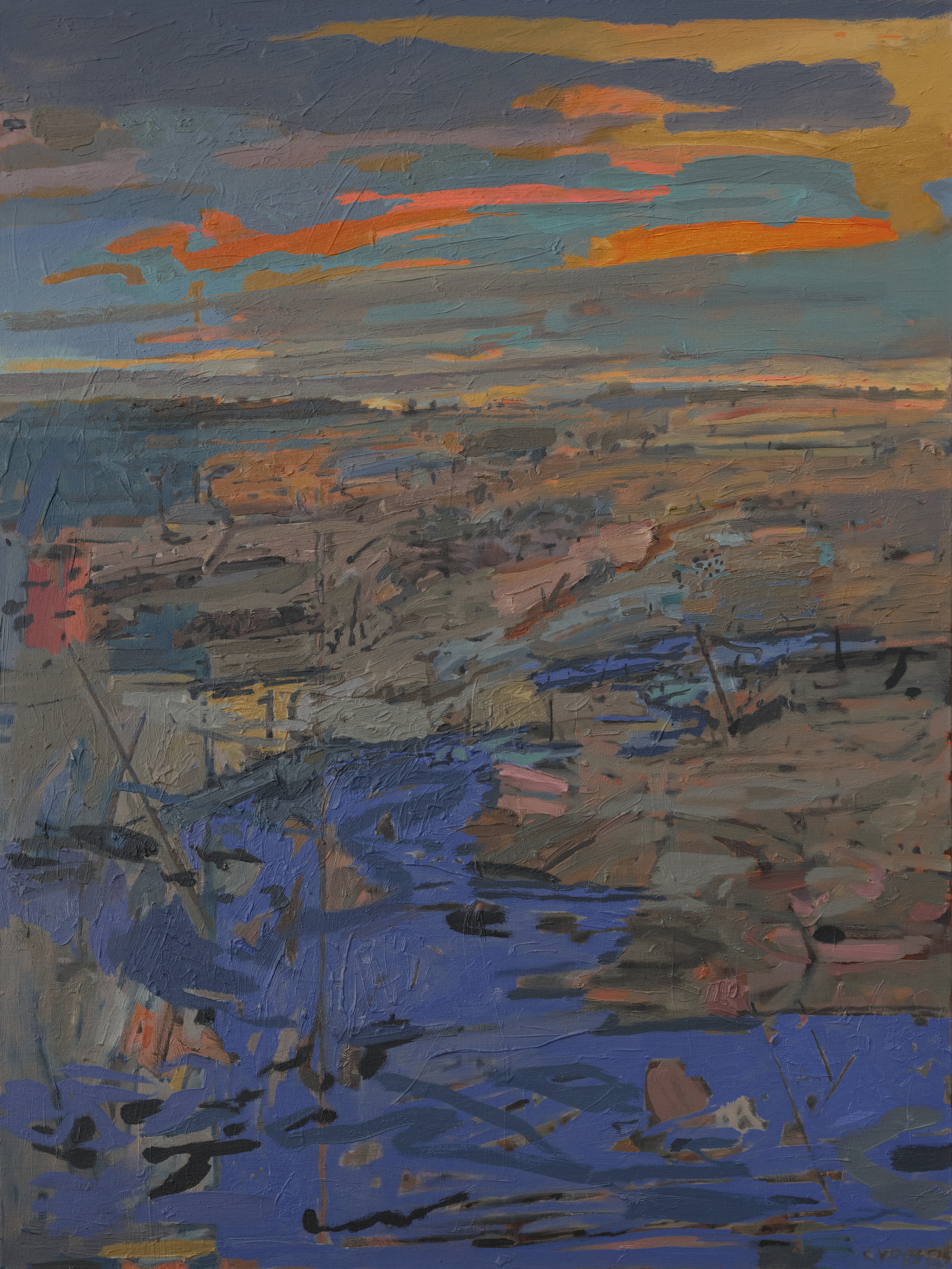
CLIVE VAN DEN BERG
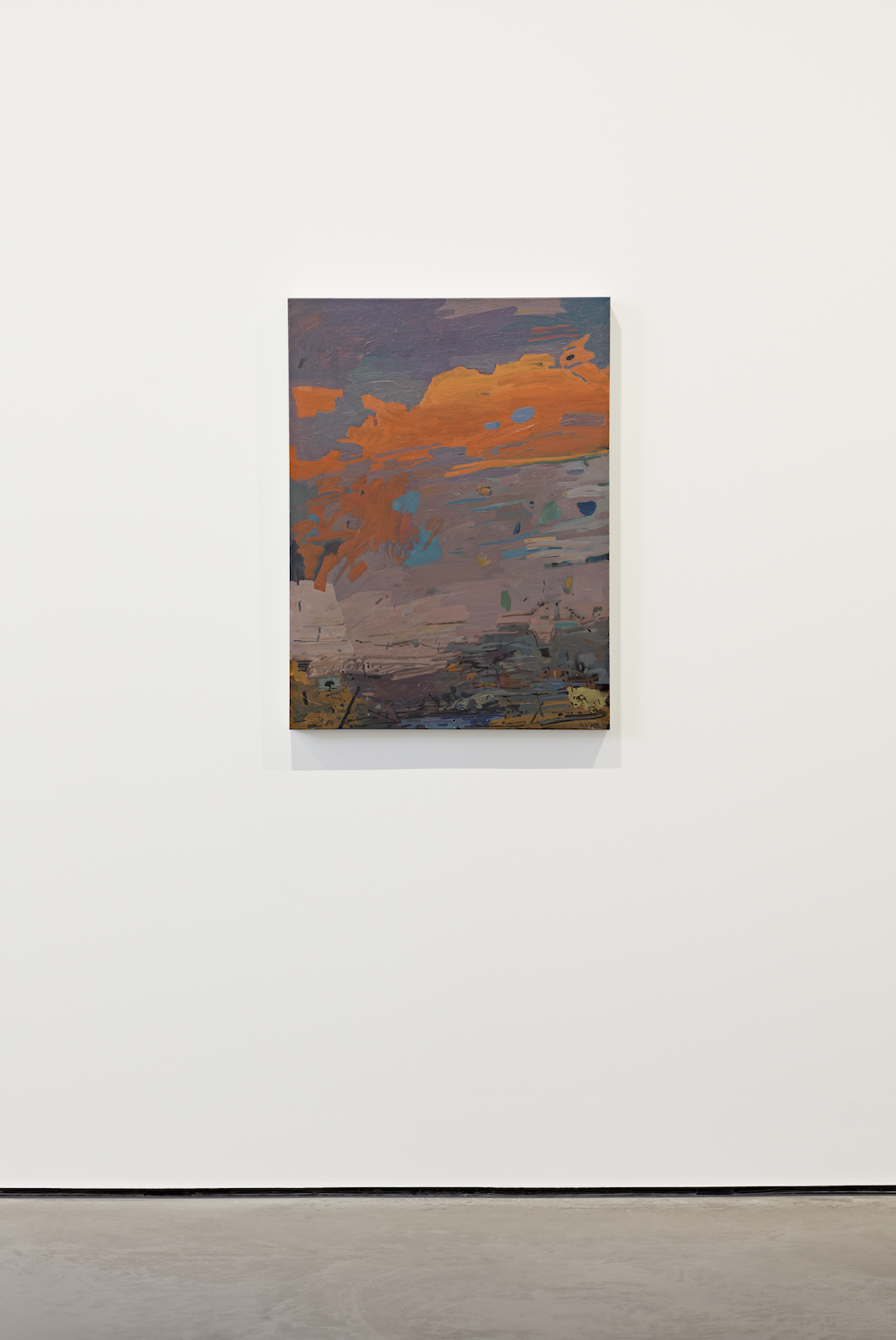
Unsettled Air III, 2024
Oil on canvas
102 x 76 x 2.5 cm (40.2 x 29.9 x 1 in.)
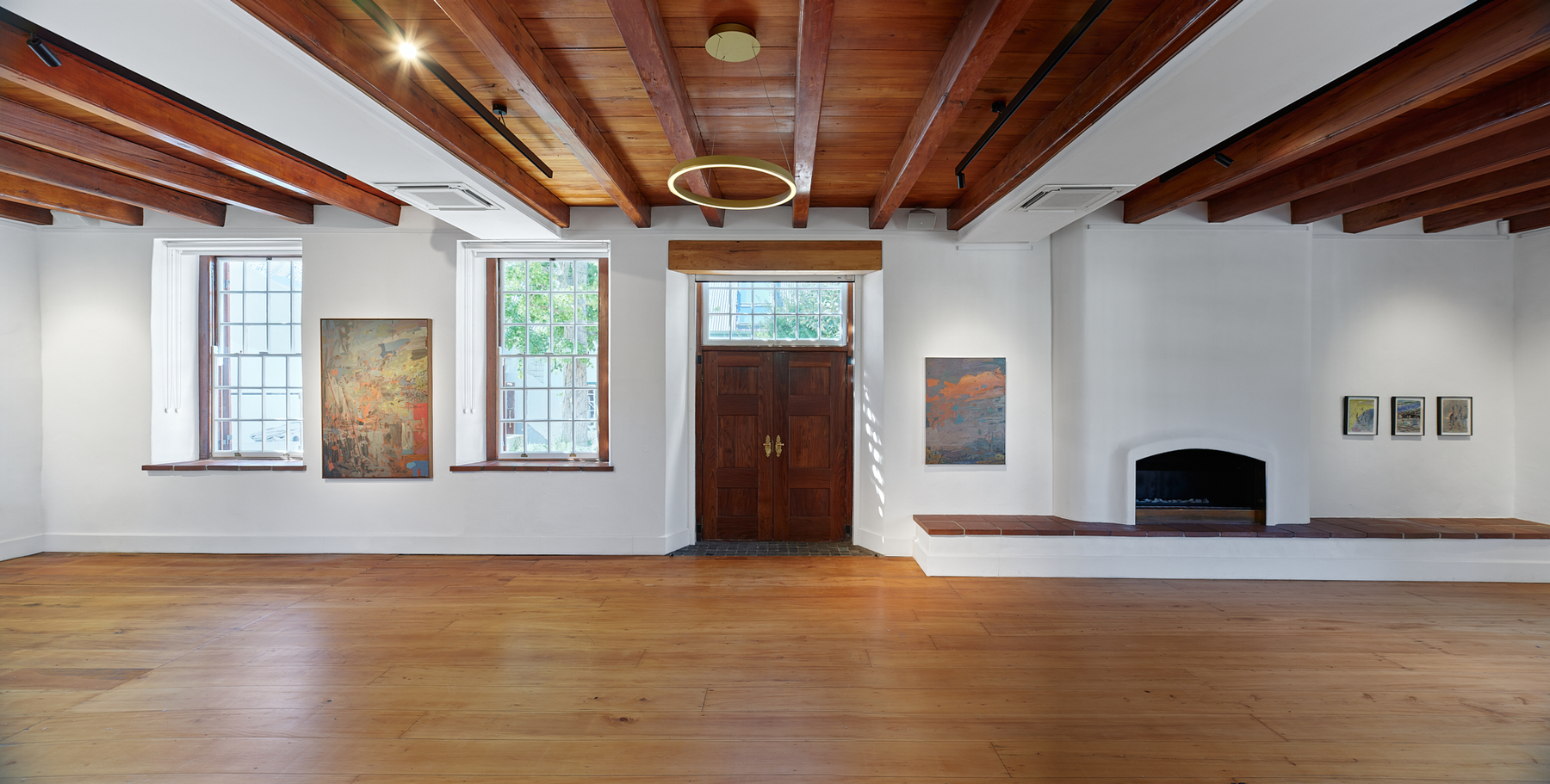
The works in Remnant do not present definitive views of place. Instead, they operate as speculative maps, guiding viewers through imagined geographies where temporal layers converge and shift. Marks accumulate, disperse and reappear, echoing the changing ways in which memory settles within land. These landscapes are shaped as much by what is absent as by what is present, revealing terrain that remains in motion, caught between emergence and dissolution.
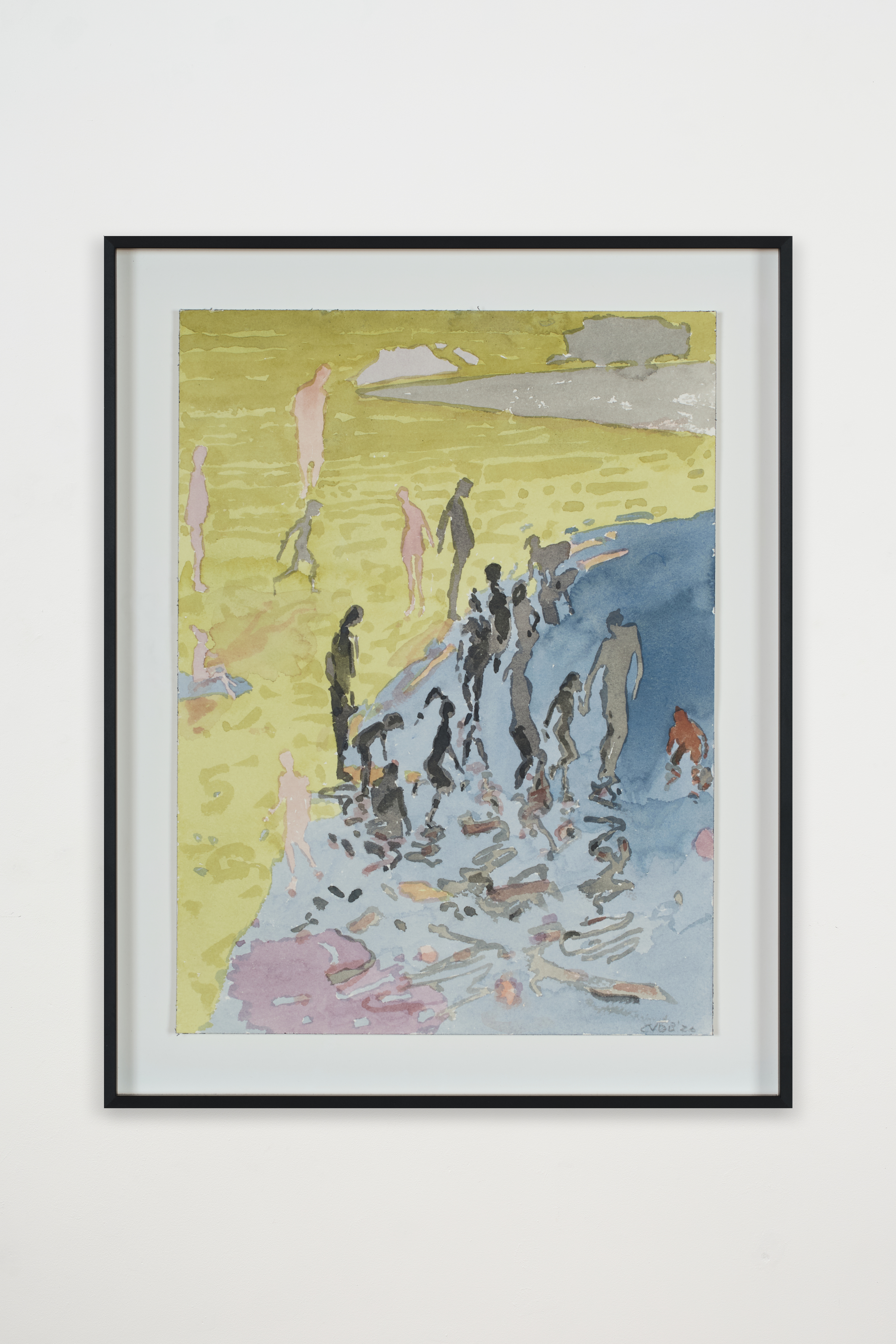
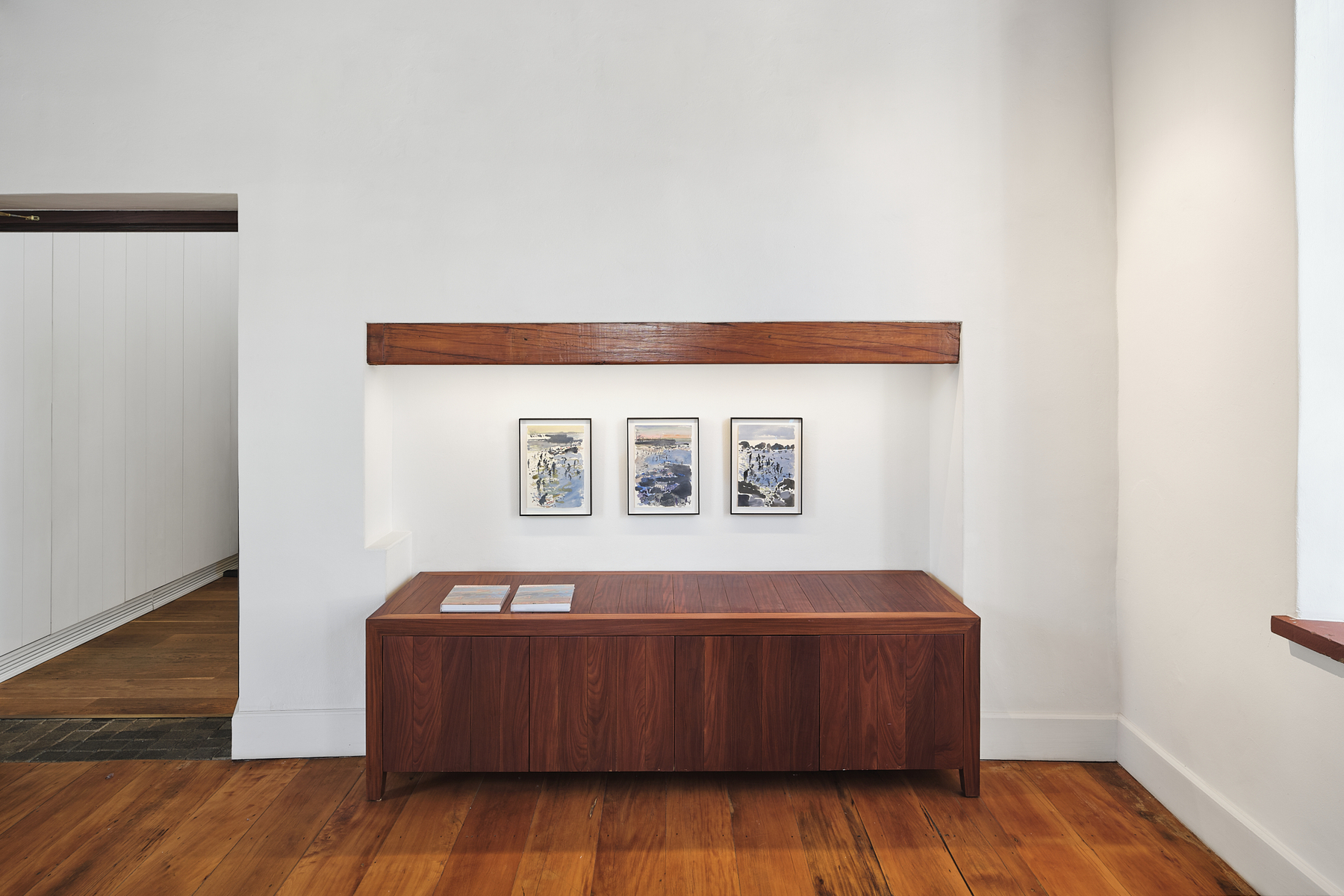
In this way, Remnant reflects Van den Berg’s ongoing engagement with landscape as a living archive, one marked by continual transformation. The paintings offer spaces of reflection rather than resolution, inviting viewers to consider how the traces held within land persist, reconfigure and quietly shape the ways in which place is understood.
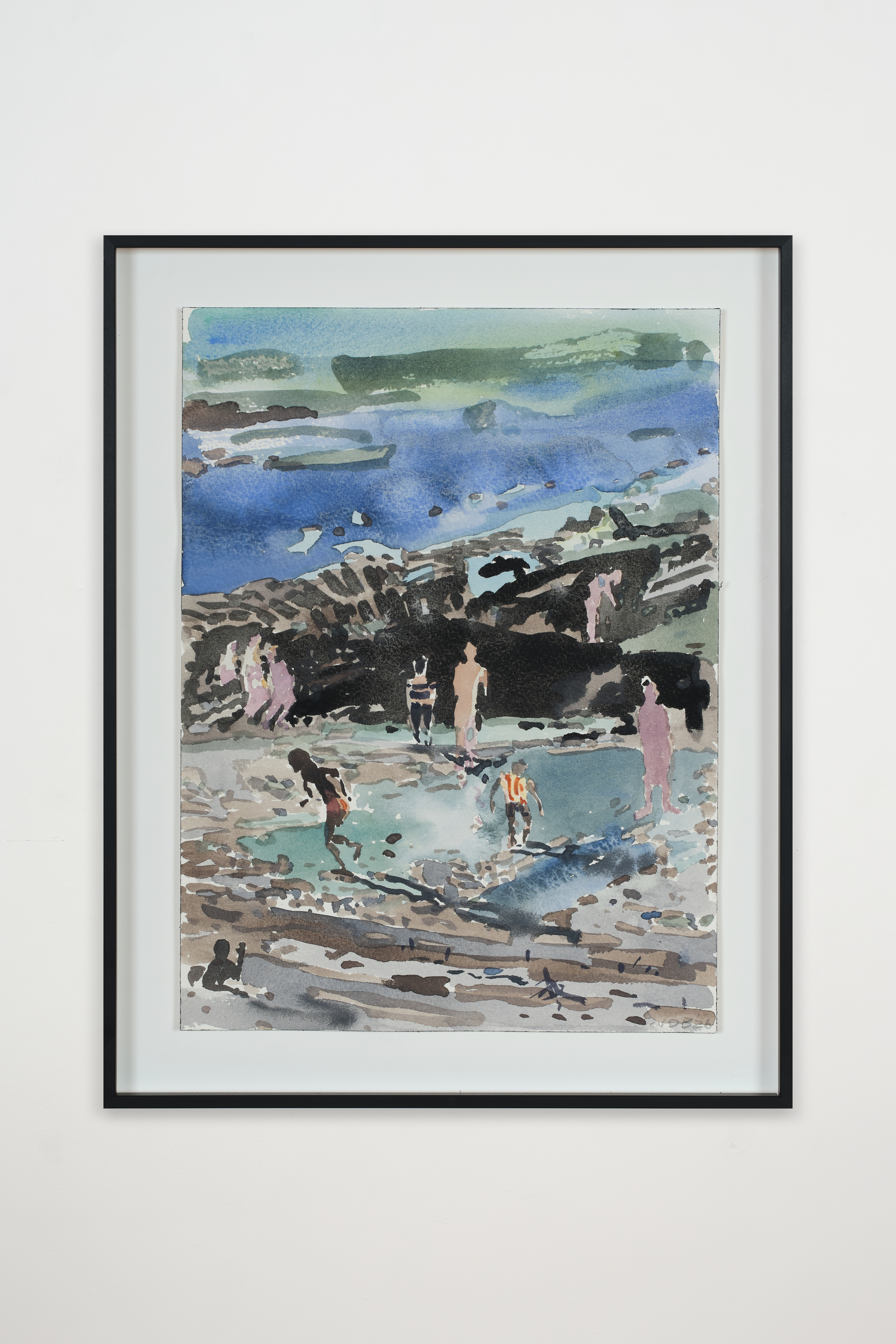
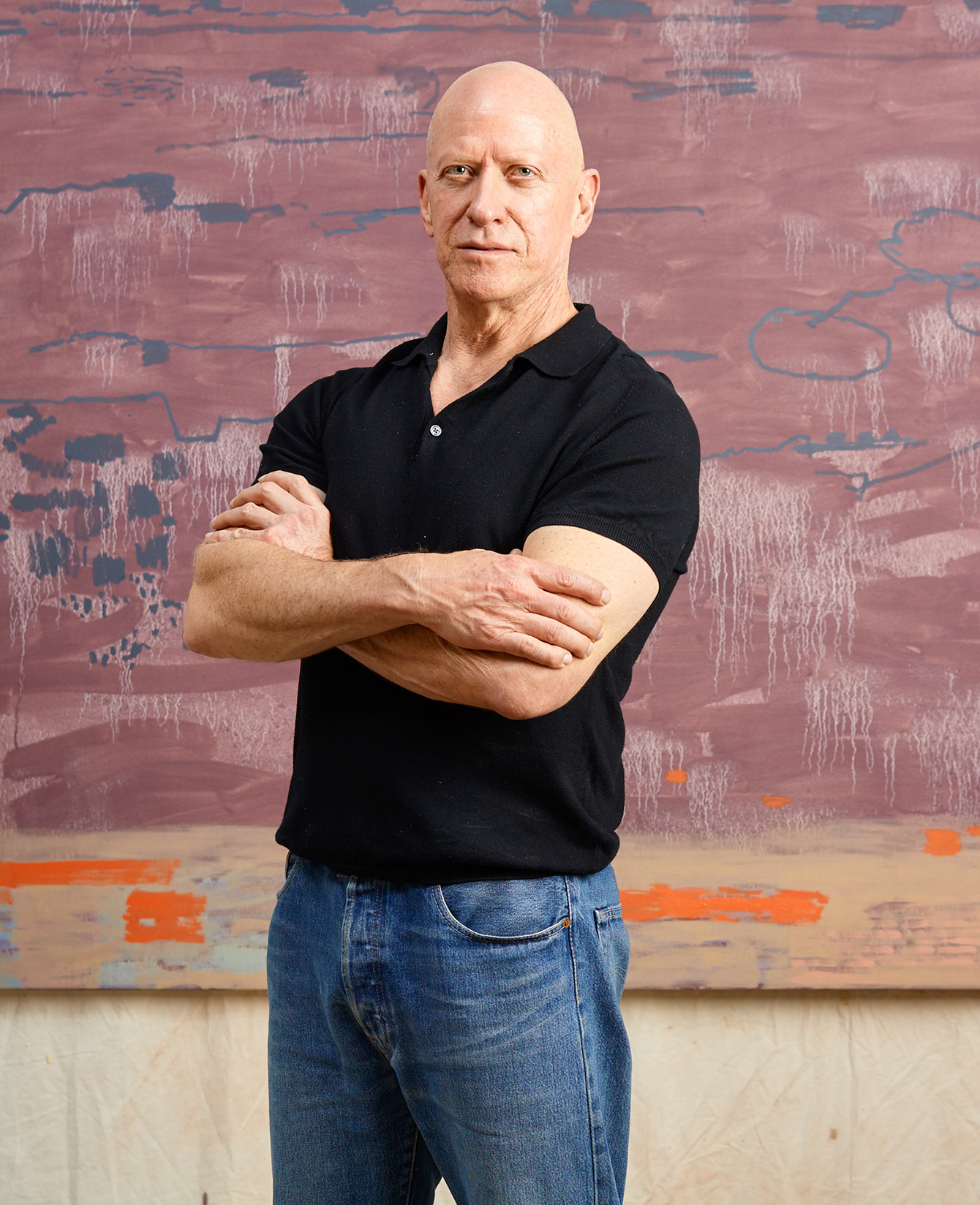
Clive van den Berg is a Cape Town based artist, curator, and designer whose work has played a significant role in the ongoing reexamination of South African history over the course of his prolific forty year career. Working across painting, sculpture, and public art, his practice explores the porous nature of human existence and the landscapes we inhabit, offering a deeply reflective engagement with vulnerability, memory, and the intersection of personal and collective histories.
Van den Berg’s retrospective, titled Porous, took place at the Wits Art Museum in August 2024, and was accompanied by a major new book published by Skira. In his paintings, he delves into the porous nature of land, acting as a vessel for lived experiences and unearthing unresolved layers beneath its surface. Within Van den Berg’s practice, the landscapes serve as a departure point, transcending physicality to evoke a haunting absence that guide viewers through imagined topographies. Van den Berg's sculptural practice is equally captivating, focusing on the male form and the symbolic resonance of skin to explore themes of vulnerability and exposure. Through this vulnerability, he challenges traditional notions of masculinity and brings to light the ever-present spectre of mortality. His work serves as a poignant meditation on love, loss, and resilience.